
Josei is one of the most misunderstood manga demographics, especially because many new readers confuse it with shoujo. Both can include romance, emotional storytelling, and beautiful artwork, but they are not the same. Shoujo usually targets teenage girls, while josei is created mainly for adult women who want more mature stories about love, work, identity, relationships, and real-life struggles.
So, what is josei? Josei is a manga and anime demographic aimed primarily at adult women, often featuring realistic romance, complex emotions, career challenges, personal growth, and mature relationship dynamics. It may include romance, drama, slice of life, psychological storytelling, historical settings, or even fantasy elements.
For readers exploring manga genres on KunManga, understanding josei can help you find stories with deeper emotional writing and more grown-up themes. This guide explains the meaning of josei, its history, key characteristics, differences from shoujo and seinen, popular titles, and why this genre is worth reading.
What Does “Josei” Mean?
The word “josei” comes from the Japanese term 女性, which means “woman” or “female.” In manga and anime classification, josei refers to works aimed mainly at adult women, commonly readers in their late teens, twenties, and beyond.
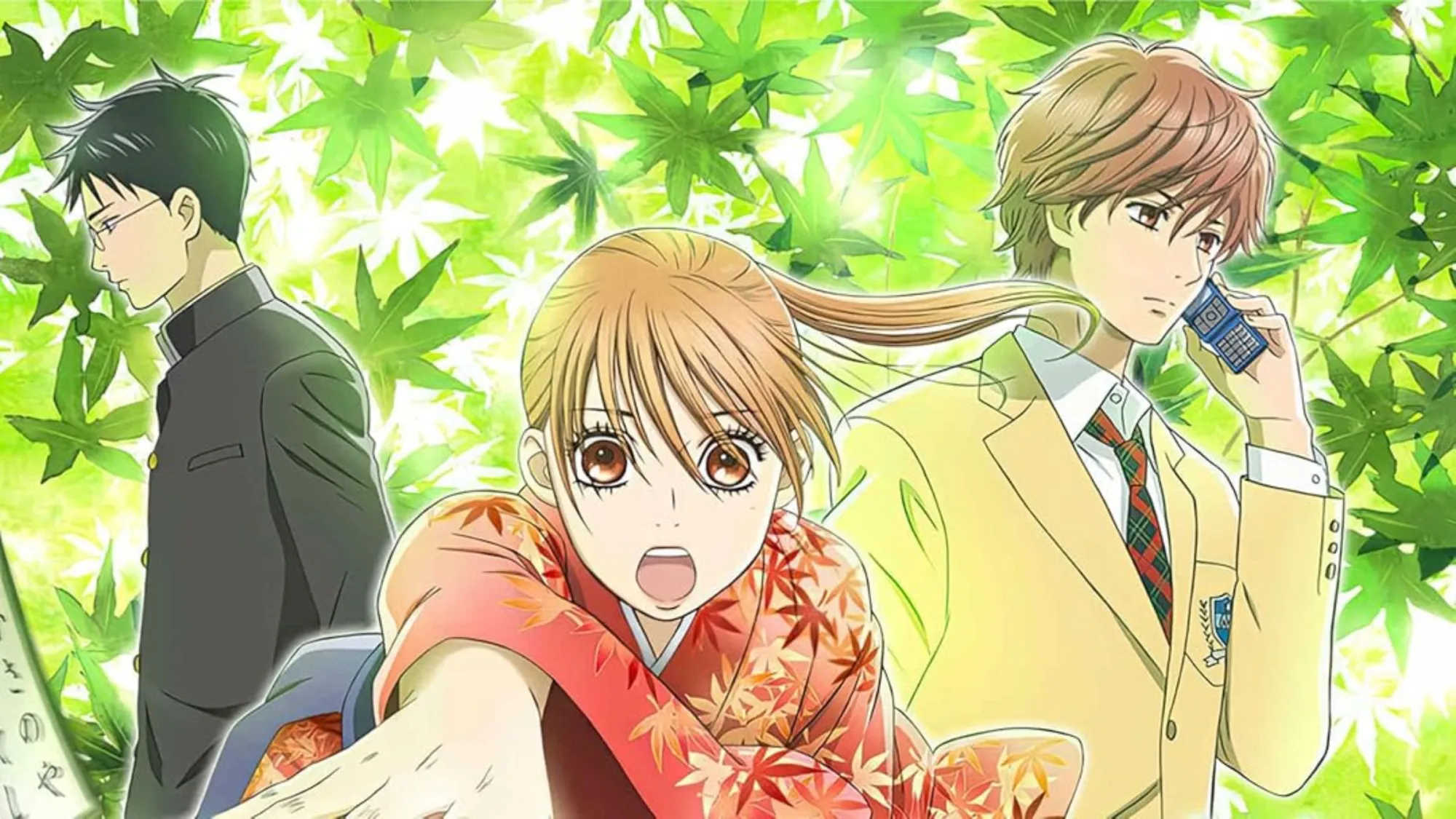
The pronunciation is close to “joe-say.” The word is simple, but the genre itself covers a wide range of tones. Some josei manga are romantic and emotional, while others are serious, psychological, comedic, erotic, historical, or focused on everyday adult life.
Josei is best understood as a demographic category rather than a single fixed genre. This means a josei story is not always romance, just as shounen is not always action and seinen is not always dark drama. The label usually describes the target audience and publishing context more than a strict plot formula.
Compared with shoujo, josei often explores more mature feelings and complicated relationship choices. Compared with seinen, josei is more commonly associated with adult female perspectives, emotional nuance, romance, work life, and social expectations affecting women.
The History of Josei Manga
Josei manga began to grow more clearly in Japan during the 1980s, as publishers recognized that female readers who had grown up with shoujo manga wanted stories that reflected adult life more realistically. These readers were no longer only interested in school romance, first love, and idealized fantasy. They wanted manga about careers, marriage, sexuality, independence, heartbreak, and the pressure of becoming an adult.
Josei manga magazines helped shape this identity. These magazines gave creators more room to write about adult relationships, workplace conflict, family expectations, and emotional complexity. Instead of focusing only on teenage romance, josei stories could show messy love, failed relationships, loneliness, ambition, motherhood, friendship, and personal change.
As manga publishing moved from print to digital platforms, josei also evolved. Readers could discover josei stories through online manga services, digital magazines, mobile apps, and genre-based recommendation systems. This made josei more accessible to international audiences who may not have encountered it through traditional print releases.
Today, josei continues to influence romance manga, webtoons, anime adaptations, and character-driven drama. Even when a title is not clearly labeled as josei, many modern romance and slice-of-life stories borrow from josei’s mature tone and emotional realism.
Key Characteristics of Josei
One of the most common characteristics of josei is an adult female protagonist. The main character may be a university student, office worker, artist, mother, divorcee, young professional, or woman trying to understand her place in life. Unlike many school-centered romance stories, josei often begins after adolescence and focuses on adult responsibilities.
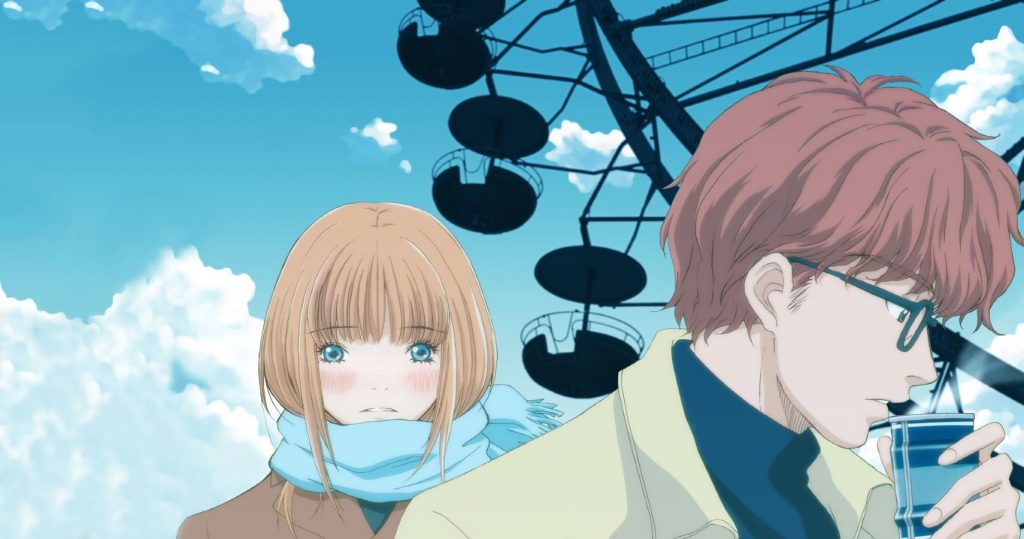
Romance in josei is usually more realistic and complicated than romance in shoujo. Love may involve communication problems, emotional distance, career pressure, past trauma, social expectations, age gaps, marriage concerns, or incompatible life goals. The relationship may still be beautiful, but it is rarely simple.
Josei can include mature or 18+ content, but it does not have to. Some josei manga are very clean and focus on quiet emotional storytelling. Others include explicit scenes, sexual tension, or adult relationship topics. The key point is that Josei treats these themes from a more grown-up perspective.
Emotional depth is another major feature. Josei often explores inner conflict, regret, loneliness, self-worth, jealousy, ambition, and the fear of making the wrong life choice. Characters are usually written with flaws, contradictions, and emotional history.
The art style in josei is often more refined, detailed, and sophisticated. Character designs may be elegant rather than overly sparkly, and facial expressions tend to carry subtle emotional meaning. Some josei titles still use dramatic visuals, but the tone is often more grounded than classic shoujo.
Josei vs Shoujo: What’s the Difference?
The biggest difference between josei and shoujo is the target audience. Josei is aimed mainly at adult women, while shoujo is aimed mainly at teenage girls. Because of this, the themes, character problems, romance style, and emotional tone are often very different.
Shoujo romance often focuses on first love, school life, friendship, emotional discovery, and idealized romantic moments. It can be dramatic, sweet, expressive, and visually beautiful. Many shoujo stories are built around the excitement and confusion of youth.
Josei romance, on the other hand, is usually more mature and realistic. It may show relationships after the honeymoon stage, the pain of miscommunication, the difficulty of balancing career and love, or the emotional weight of past relationships. Instead of asking only “Will they fall in love?” josei may ask “Can this relationship actually work?”
The themes also differ. Shoujo often centers on school, friendship, personal dreams, young love, and emotional growth during adolescence. Josei often deals with adult relationships, jobs, marriage, social pressure, independence, sexuality, loneliness, and life choices.
The art style can also signal the difference. Shoujo is often associated with sparkling eyes, dramatic expressions, soft romance visuals, and emotional paneling. Josei may use more detailed fashion, realistic body language, subtle expressions, and a more sophisticated visual tone.
Content level is another difference. Shoujo is generally cleaner and more teen-friendly, although it can still handle serious topics. Josei may include adult situations, sexual content, mature dialogue, or emotionally heavy themes, depending on the title.
Readers often confuse josei and shoujo because both demographics can include romance and emotional storytelling. A josei manga can still feel soft and romantic, while a shoujo manga can still be serious and dramatic. The clearest way to distinguish them is to look at the target demographic, magazine or platform category, and the maturity of the themes.
Josei vs Seinen: Another Common Confusion
Josei is aimed mainly at adult women, while seinen is aimed mainly at adult men. Both demographics can include mature themes, complex characters, darker storytelling, psychological drama, romance, or realistic slice-of-life content. Because of this overlap, some josei and seinen manga can feel similar in tone.
The difference is usually found in perspective and publishing context. Josei often gives more attention to adult female experiences, relationship psychology, social expectations, emotional labor, and personal identity. Seinen may focus more often on male adult perspectives, action, politics, crime, psychological conflict, work pressure, or philosophical themes, although this is not always the case.
Some stories are difficult to classify by content alone. A quiet workplace romance, mature slice-of-life drama, or psychological relationship story could feel like either josei or seinen depending on its publication source. That is why official magazine category and target readership are often the best clues.
In simple terms, josei and seinen can overlap in maturity, but they are designed with different primary audiences in mind.
Popular Josei Manga Genres & Themes
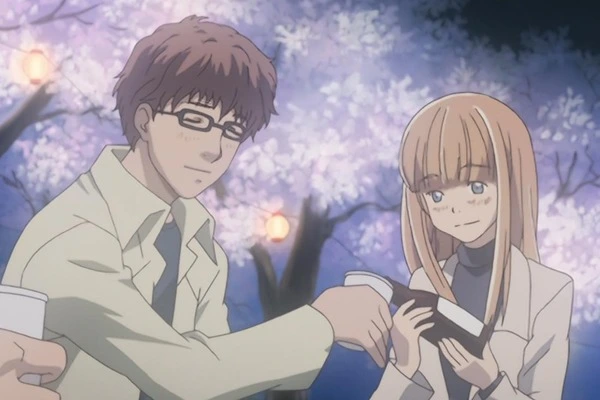
Mature Romance & Relationships
Mature romance is one of the most recognizable josei themes. These stories often explore love beyond first crushes, showing emotional baggage, dating problems, intimacy, commitment, breakups, and personal growth. Titles such as Nana and Paradise Kiss are often discussed for their complex romantic and emotional storytelling.
Slice of Life & Career Drama
Many josei manga focus on everyday adult life. These stories may follow office workers, artists, students entering adulthood, or women trying to balance ambition and relationships. Honey and Clover is often remembered for its emotional coming-of-age tone, creative struggles, and character-focused drama.
Historical Romance
Historical josei stories combine romance, social status, political pressure, and period-specific conflict. These manga often explore how love and personal freedom are shaped by tradition, class, family duty, or cultural expectations.
BL and Relationship-Focused Drama
Josei has also played an important role in the growth of Boys’ Love and relationship-focused manga for adult female readers. BL stories can range from soft romance to intense drama, and many titles focus heavily on emotional tension, character psychology, and romantic development.
Psychological & Emotional Drama
Some josei manga focus less on romance and more on emotional wounds, trauma, self-discovery, family conflict, or mental health. These stories can feel quieter, heavier, and more introspective than typical romance manga.
Most Popular Josei Manga & Anime
Nana is one of the most famous josei manga of all time. It follows two young women with the same name who meet by chance and become deeply connected while facing love, music, ambition, heartbreak, and adulthood. The series is known for its emotional realism and unforgettable characters.
Paradise Kiss is another well-known josei title. It follows a high school student who becomes involved with a group of fashion design students and begins questioning her future, identity, and desires. The story blends romance, fashion, ambition, and self-discovery.
Honey and Clover focuses on art students, unspoken feelings, creative insecurity, friendship, and growing up. It is often praised for its emotional subtlety and realistic look at young adults trying to find direction in life.
Chihayafuru is sometimes discussed alongside josei because of its magazine background and mature emotional tone. It centers on competitive karuta, friendship, ambition, and personal growth, offering a different kind of josei-adjacent experience beyond romance.
Princess Jellyfish combines comedy, fashion, social anxiety, friendship, and self-transformation. It stands out because of its unusual cast, charming humor, and focus on women finding confidence in their own identities.
Kuragehime, also known as Princess Jellyfish, remains a favorite for readers who enjoy quirky characters and heartfelt comedy. Its blend of awkwardness, fashion, and emotional growth gives it a unique place in josei manga.
Wotakoi: Love Is Hard for Otaku is a workplace romantic comedy about adult otaku navigating love, hobbies, and office life. It is especially appealing for readers who want romance between adults without the usual school setting.
Kids on the Slope is often appreciated for its music, friendship, emotional tension, and coming-of-age storytelling. While not always grouped simply as josei by casual readers, it shares the mature emotional rhythm that many josei fans enjoy.
You can explore more manga and romance-focused recommendations on KunManga, depending on current availability and updates.
Why Should You Read Josei Manga?
Josei manga is worth reading because it offers a more mature approach to storytelling. Instead of relying only on idealized romance, it often shows love as something shaped by timing, communication, personal growth, fear, and real-life pressure.
Josei also gives better representation to adult female characters. The protagonists are not always perfect, innocent, or endlessly optimistic. They may be ambitious, tired, confused, lonely, passionate, selfish, brave, or emotionally complicated. This makes them feel more human.
For readers who have outgrown simple romantic tropes, josei can feel refreshing. It does not always promise a perfect fantasy. Sometimes the relationship fails. Sometimes the right choice hurts. Sometimes the main character has to choose herself before choosing love.
Josei is also a great choice for manga readers who want “grown-up” stories. Whether the genre is romance, slice of life, drama, comedy, historical fiction, or psychological storytelling, josei often brings emotional weight and adult perspective to the experience.
Related Genres You Should Know
If you are learning what is josei, it also helps to understand related manga and anime terms. These genres often overlap with josei through romance, fantasy, mature storytelling, or demographic classification.
What Is Manhwa?
What is manhwa explains Korean comics, many of which are published in full-color webtoon format. Modern romance manhwa often shares josei-like themes, including mature relationships, career drama, emotional conflict, and adult character growth.
What Is Isekai?
What is isekai covers stories where characters are transported, reincarnated, summoned, or trapped in another world. Some josei and romance fantasy stories use isekai-style setups, especially reincarnation, villainess, and second-chance plots.
What Is Ecchi?
What is ecchi introduces a suggestive anime and manga content tag that often includes fan service or playful mature humor. Josei may include adult themes, but it is not the same as ecchi because josei is a demographic category, not just a fan service label.
FAQs About Josei
What does josei mean?
Josei means “woman” or “female” in Japanese. In manga and anime, josei refers to works aimed mainly at adult women, often featuring mature romance, realistic relationships, emotional drama, work life, and personal growth.
What is the difference between josei and shoujo?
Josei is aimed mainly at adult women, while shoujo is aimed mainly at teenage girls. Josei usually explores mature relationships, adult life, career pressure, and emotional complexity. Shoujo often focuses on first love, school life, friendship, and more idealized romance.
Is josei manga for adults only?
Josei is aimed at adult readers, but that does not mean every josei manga contains explicit content. Some josei titles are clean and emotional, while others include mature scenes or adult themes. The exact content depends on the series.
What are the most popular josei manga?
Some of the most popular josei manga include Nana, Paradise Kiss, Honey and Clover, Princess Jellyfish, and Wotakoi: Love Is Hard for Otaku. These titles are known for mature emotions, strong character writing, and memorable relationships.
Is josei manga always romantic?
No. Josei manga is often associated with romance, but it is not always romantic. Josei can also include slice of life, comedy, historical drama, fantasy, mystery, psychological drama, workplace stories, and family-centered narratives.
Can men read josei manga?
Yes. Anyone can read josei manga. The demographic label describes the main target audience, not a rule about who is allowed to enjoy it. Many men read josei because they appreciate mature romance, realistic characters, and emotional storytelling.
Conclusion
So, what is josei? Josei is a manga and anime demographic aimed mainly at adult women, known for mature romance, realistic relationships, emotional depth, and stories about adult life. It can be romantic, dramatic, comedic, psychological, historical, or even fantasy-based.
The biggest difference between josei and shoujo is maturity of perspective. Shoujo often focuses on teenage emotions and first love, while josei explores adult relationships, life choices, career struggles, and more complex emotional realities.
For readers who want manga with grown-up themes, layered characters, and romance that feels more realistic, josei is one of the best genres to explore. Visit KunManga to discover more manga titles and continue reading related guides like what is manhwa, what is isekai, and what is ecchi.

Techna Taylor is a content contributor at KunManga, focusing on manga, manhwa, and webtoon-related guides, recommendations, and reader-friendly explainers. With a strong interest in digital comics and online reading trends, Techna helps create clear, accessible content for fans who want to discover new series, understand popular titles, and follow updates across different manga genres.