
Manhwa has become one of the most popular forms of digital comics in the world, especially as webtoon platforms, mobile reading apps, and Korean drama adaptations continue to reach global audiences. Many readers first discover manhwa through romance webtoons, fantasy action stories, regression plots, or series that later receive animated and live-action adaptations.
So, what is manhwa? Manhwa refers to Korean comics, created in South Korea and usually read from left to right. In modern online culture, the term is often connected with full-color webtoons that are designed for vertical scrolling on smartphones.
For readers exploring comics on KunManga, understanding manhwa can make it easier to choose the right stories, compare it with manga and manhua, and recognize the genres that dominate Korean digital comics. This guide explains the meaning of manhwa, its key features, popular genres, famous titles, and where readers can enjoy manhwa online.
What Does “Manhwa” Mean?
The word “manhwa” comes from the Korean term 만화, which broadly means comics or cartoons. In English-speaking manga and anime communities, however, manhwa usually refers specifically to comics from South Korea. Just as manga is associated with Japan and manhua is associated with China, manhwa is the common term used for Korean comics.
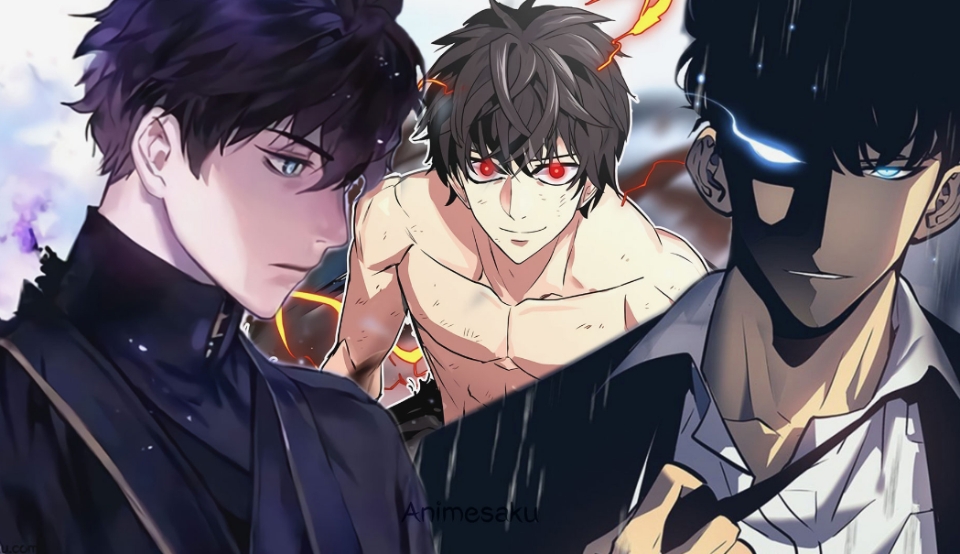
The pronunciation is close to “mahn-hwa.” The first part sounds like “mahn,” and the second part sounds like “hwa.” While the spelling may look unfamiliar to new readers, the term has become widely recognized because of the global rise of Korean webtoons.
Historically, manhwa developed through print magazines, newspaper comics, satire, children’s comics, and serialized storytelling. Over time, the Korean comics industry shifted strongly toward digital publishing. This change helped manhwa reach international readers more easily, especially through mobile-friendly platforms that made vertical scrolling the standard format.
Today, when people ask “what is manhwa,” they are often asking about both Korean comics in general and the modern webtoon format that made manhwa famous worldwide.
Manhwa vs Manga vs Manhua: What’s the Difference?
Manhwa, manga, and manhua are all forms of comics, but they come from different cultures and often follow different reading styles, formats, and visual traditions.
Manhwa comes from Korea. It is usually read from left to right, similar to English books and most Western comics. Modern manhwa is strongly connected with webtoon formatting, meaning many stories are created for vertical scrolling on mobile devices. Full color is also very common, especially in digital titles.
Manga comes from Japan. Traditional manga is usually read from right to left, which can feel unfamiliar to readers who are new to Japanese comics. Manga is often published in black and white, especially in print magazines and collected volumes. While digital manga is now popular, the print tradition remains a major part of manga culture.
Manhua comes from China. Like manhwa, it is commonly read from left to right, although formats can vary depending on the publisher, region, and platform. Manhua may appear in full color or black and white, and it often draws from Chinese historical fantasy, martial arts, cultivation, romance, and modern urban themes.
The biggest difference for most new readers is the reading experience. Manhwa is usually built for smooth vertical scrolling, manga is often arranged in traditional pages and panels, and manhua can vary between print-style layouts and digital formats. This is why many readers describe manhwa as especially comfortable to read on phones.
Color is another important difference. Most popular modern manhwa titles are full color, which gives them a polished and cinematic feeling. Manga is usually black and white, although color pages and special editions do exist. Manhua may be colorful or monochrome depending on the title and platform.
Art style also differs. Manhwa often features clean character designs, expressive faces, detailed fashion, dramatic lighting, and polished digital coloring. Manga can range from rough and highly expressive to extremely detailed and cinematic. Manhua often has its own visual identity, especially in historical, fantasy, and martial arts settings.
Key Characteristics of Manhwa
One of the most recognizable features of manhwa is the webtoon format. Instead of turning pages, readers scroll vertically through long episodes. This format works especially well on smartphones because it keeps the reading flow smooth and simple.
Another major characteristic is full-color presentation. Many modern manhwa titles use rich colors, lighting effects, and digital shading to create a visually engaging experience. This makes manhwa feel different from traditional black-and-white manga, especially for readers who prefer colorful artwork.
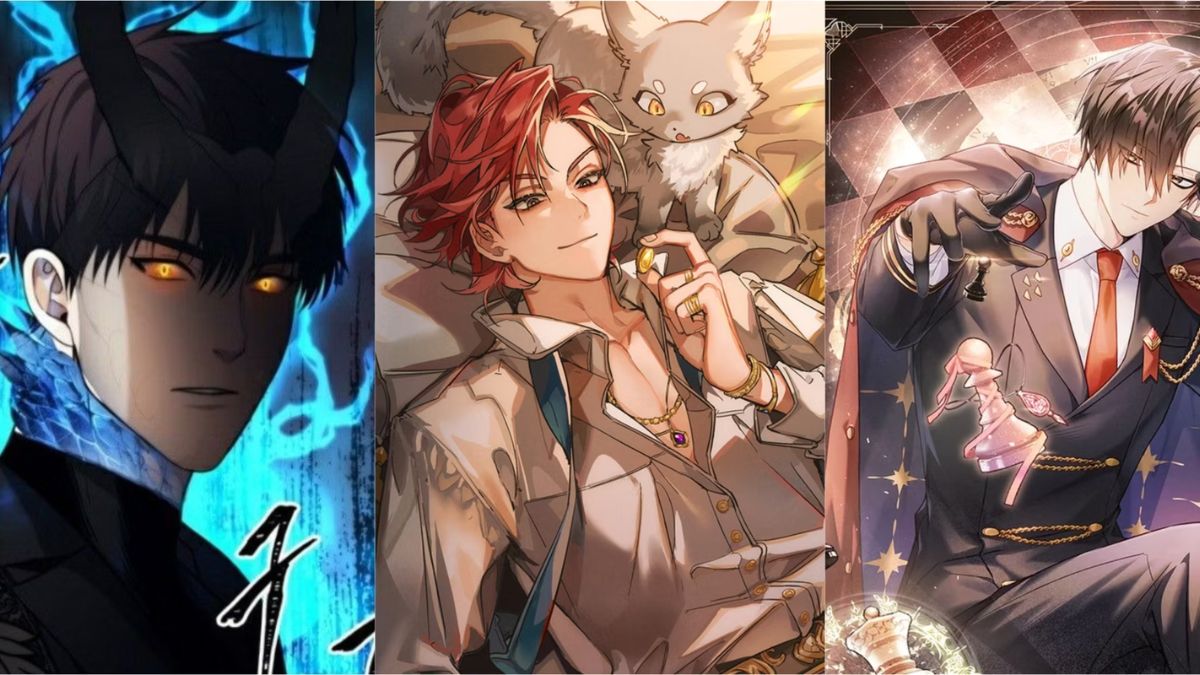
Manhwa also has a distinct Korean art style. Characters often have fashionable outfits, sharp facial expressions, polished hairstyles, and elegant visual designs. Romance titles may focus heavily on beauty, emotion, and atmosphere, while action fantasy titles often use dramatic effects and large vertical panels to create impact.
Storytelling in manhwa is often long-form. Many series run for dozens or even hundreds of chapters. The pacing can be gradual, allowing characters, relationships, conflicts, and worldbuilding to develop over time.
Another reason manhwa is popular is its accessibility. Because many titles are published digitally, readers can follow weekly updates, discover trending series quickly, and enjoy stories directly from mobile devices.
Popular Manhwa Genres
Romance and drama are among the most popular manhwa genres. These stories often focus on emotional relationships, misunderstandings, social status, family conflict, school life, office romance, or second-chance love. Titles such as True Beauty and Something About Us are often mentioned by fans who enjoy romance-driven manhwa.
Action and fantasy manhwa are also extremely popular. These stories often include monsters, hunters, dungeons, magic systems, martial abilities, royal conflicts, or supernatural powers. Solo Leveling is one of the most famous examples of action fantasy manhwa, known for its powerful protagonist and dramatic progression.
Isekai, regression, and reincarnation stories are especially common in modern manhwa. These plots often follow characters who return to the past, wake up inside a novel, reincarnate as a villainess, or receive a second chance to change their fate. Examples include Who Made Me a Princess and The Beginning After the End, although the latter is often discussed in relation to webcomic-style fantasy rather than only Korean-origin manhwa.
Slice of life manhwa focuses on everyday emotions, friendships, personal growth, school experiences, work life, or quiet romance. These titles may not always rely on intense action, but they can be highly engaging because of their relatable characters and realistic emotional pacing.
Horror and thriller manhwa appeal to readers who enjoy suspense, mystery, psychological tension, and darker storytelling. Series such as Bastard and Sweet Home are well-known examples that helped introduce many international readers to intense Korean webtoon storytelling.
Most Popular Manhwa of All Time
Solo Leveling is one of the most recognized manhwa titles worldwide. It follows a weak hunter who gains a mysterious leveling system and gradually becomes one of the most powerful figures in a world filled with monsters and dungeons.

Tower of God is another major title in the manhwa and webtoon scene. It follows a boy named Bam as he enters a mysterious tower filled with tests, powerful competitors, and hidden truths. The series is known for its large world, complex characters, and long-running story.
The God of High School combines martial arts, supernatural abilities, tournament battles, and mythological themes. Its fast-paced action and energetic style made it one of the most recognizable Korean webtoons among international readers.
True Beauty is a popular romance and drama manhwa about appearance, self-confidence, relationships, and personal identity. It became especially well known because of its stylish art and its appeal to readers who enjoy school romance and emotional character development.
Sweet Home is a horror thriller manhwa about people trapped in an apartment building while terrifying transformations spread around them. Its tense atmosphere and psychological storytelling made it one of the standout darker manhwa titles.
Bastard is a psychological thriller that follows a disturbing family situation and a young protagonist caught in fear, guilt, and danger. It is often recommended to readers who want a mature and suspenseful manhwa experience.
Who Made Me a Princess is a well-known fantasy romance manhwa involving reincarnation, royalty, family drama, and emotional growth. It is a strong example of the popularity of royal fantasy and reincarnation themes in Korean digital comics.
You can explore more Korean comic titles and genre-based recommendations on KunManga, depending on current availability and updates.
Where to Read Manhwa Online
Manhwa can be read online through several types of platforms. Some official platforms publish licensed translations, while others focus on global webtoon distribution, mobile reading, or genre-based discovery. Popular legal platforms often include webtoon apps, publisher-owned services, and digital comic stores that provide official releases.
When choosing where to read manhwa online, readers should consider translation quality, update speed, mobile experience, chapter organization, and whether the platform provides clear genre tags. Since manhwa is often serialized, a clean reading interface can make a big difference, especially for long-running stories with many episodes.
KunManga is also a useful place for readers who want to explore manga and manhwa-style content by genre, title, and reading preference. Whether you enjoy romance, fantasy, action, school life, or drama, browsing by category can help you find stories that match your taste more quickly.
Related Genres You Should Know
If you are learning what is manhwa, it is also helpful to understand related anime and manga terms. These genres often overlap with manhwa, especially in fantasy, romance, comedy, and character-driven stories.
What Is Ecchi?
What is ecchi explains a suggestive anime and manga content tag that usually includes fan service, playful situations, or mildly mature humor. It is different from explicit adult content and often appears alongside romance, comedy, harem, or school-life stories.
What Is Isekai?
What is isekai covers stories where characters are transported, reincarnated, or trapped in another world. Isekai themes are very common in fantasy manhwa, especially in reincarnation, regression, and novel-transmigration stories.
What Is Josei?
What is josei introduces stories aimed mainly at adult women. Josei often focuses on mature romance, work life, emotional conflict, and realistic relationships, making it useful for readers who enjoy deeper character-focused drama.
FAQs About Manhwa
Is manhwa the same as manga?
No. Manhwa and manga are related forms of comics, but they are not the same. Manhwa comes from Korea, while manga comes from Japan. Manhwa is usually read from left to right and is often published in full-color vertical webtoon format. Manga is traditionally read from right to left and is often published in black and white.
Is manhwa read left to right?
Yes, most modern manhwa is read from left to right. Digital manhwa, especially webtoons, is usually read by scrolling vertically from top to bottom. This makes manhwa easy to read on smartphones and other mobile devices.
Why is manhwa so popular?
Manhwa is popular because it is visually polished, easy to read on mobile, often full color, and updated regularly online. Its genres are also highly appealing to global readers, especially romance, fantasy, action, reincarnation, regression, and thriller stories.
What is the difference between manhwa and webtoon?
Manhwa means Korean comics, while webtoon refers to a digital comic format designed for online reading and vertical scrolling. Many modern manhwa titles are webtoons, but not every webtoon is necessarily Korean, and not every manhwa has to be in webtoon format.
Is manhwa only from Korea?
Yes, the term manhwa specifically refers to Korean comics. However, because the webtoon format has become popular worldwide, many readers sometimes use the term loosely when talking about digital comics with a similar style. Strictly speaking, manhwa means comics from Korea.
Conclusion
So, what is manhwa? Manhwa is Korean comics, often known today for full-color artwork, vertical webtoon formatting, mobile-friendly reading, and popular genres such as romance, fantasy, action, thriller, and reincarnation stories.
The biggest differences between manhwa, manga, and manhua come from origin, reading direction, format, and visual style. Manhwa comes from Korea, is usually read left to right, and is strongly connected with digital webtoons. Manga comes from Japan and is traditionally read right to left, while manhua comes from China and varies by format and style.
For readers who enjoy polished art, long-running stories, dramatic romance, powerful fantasy progression, or suspenseful thrillers, manhwa offers a wide range of choices. To continue exploring more titles and related manga guides, visit KunManga and check out guides like what is ecchi, what is isekai, and what is josei.
Techna Taylor is a content contributor at KunManga, focusing on manga, manhwa, and webtoon-related guides, recommendations, and reader-friendly explainers. With a strong interest in digital comics and online reading trends, Techna helps create clear, accessible content for fans who want to discover new series, understand popular titles, and follow updates across different manga genres.