
Isekai has become one of the fastest-growing and most recognizable genres in anime, manga, light novels, and web novels over the last decade. From fantasy worlds filled with magic to game-like systems, reincarnation plots, summoned heroes, and overpowered main characters, isekai stories have captured the attention of readers and viewers around the world.
So, what is isekai? Isekai is a Japanese genre where a character is transported, reincarnated, summoned, or trapped in another world. That new world is often very different from the character’s original life and may include fantasy kingdoms, monsters, magic, dungeons, gods, game mechanics, or completely unfamiliar social rules.
For readers exploring anime and manga genres on KunManga, understanding isekai can make it easier to find stories that match your taste. This guide explains the meaning of isekai, its history, major types, popular examples, common tropes, and why the genre has become so powerful in modern anime and manga culture.
What Does “Isekai” Mean?
The word “isekai” comes from the Japanese term 異世界, which means “another world” or “different world.” In anime and manga, it refers to stories where the main character leaves their original world and enters a new one. This new world is often magical, dangerous, unfamiliar, or structured like a video game.
The common pronunciation is close to “ee-say-kai.” The first part sounds like “ee,” the second sounds like “say,” and the final part sounds like “kai.” The word is now widely used by anime and manga fans around the world, even outside Japanese-speaking communities.
The core idea behind isekai is simple: a character from one world is placed into another world. That transition can happen through death and reincarnation, a magic summoning ritual, a mysterious portal, a game system, a divine mistake, or an unexplained supernatural event.
What makes isekai exciting is the contrast between the character’s old life and their new reality. A normal student, office worker, gamer, or socially isolated person may suddenly become a hero, noble, mage, monster, villainess, merchant, or adventurer. This creates instant conflict, curiosity, and room for growth.
The History of Isekai
Isekai may feel like a modern trend, but the idea of traveling to another world is much older than today’s anime and manga industry. Japanese folklore, fairy tales, and classical stories often include journeys to mysterious realms, spirit worlds, underwater palaces, or divine lands. These early ideas helped shape the fantasy of crossing from ordinary life into an extraordinary place.
In modern pop culture, isekai began to appear more clearly in anime and manga during the late twentieth century. Series from the 1990s and early 2000s often used portal fantasy structures, where characters were pulled into magical worlds and had to adapt to new rules. These stories were not always labeled “isekai” internationally at the time, but they helped build the foundation for the genre.
The modern isekai boom became much stronger in the 2010s, especially through light novels and web novels. Online publishing allowed writers to experiment with reincarnation, game-world mechanics, overpowered protagonists, and long-running fantasy adventures. Many successful web novels were later adapted into light novels, manga, anime, and even games.
As streaming platforms and digital manga apps expanded worldwide, isekai moved from niche fandom into mainstream anime culture. Today, isekai is one of the most common genres in seasonal anime lineups and online manga recommendations.
Key Characteristics of Isekai
The most important feature of isekai is the movement from one world to another. The protagonist may be transported while alive, reincarnated after death, summoned by people in another world, trapped inside a game, or reborn with memories from a previous life.
The new world usually includes fantasy or game-like elements. Many isekai stories feature magic systems, adventurer guilds, monsters, demons, kings, nobles, dungeons, skill trees, levels, stats, or divine powers. This structure makes the new world easy for readers to understand while still leaving room for adventure and surprise.
Many isekai protagonists receive a special advantage. This may be a cheat ability, rare skill, powerful weapon, divine blessing, knowledge from modern life, or experience from playing games. These advantages often help the character survive and rise quickly in the new world.
Isekai can also blend with many other genres. Some series focus on action and fantasy battles, while others lean into romance, comedy, political drama, slice of life, cooking, farming, business, survival, or emotional redemption. Because the setup is flexible, isekai can support many different storytelling styles.
Types of Isekai
Truck-kun Isekai
Truck-kun is a fan nickname for the common setup where a character dies in the real world, often through a sudden accident, and then reincarnates or wakes up in another world. This type of isekai is closely connected with reincarnation stories, where the protagonist begins a second life with new opportunities.
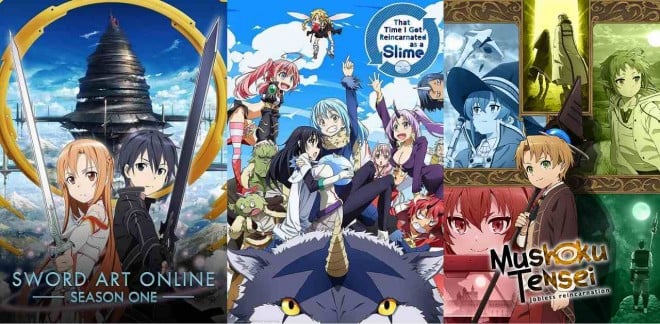
Series such as Re:Zero and Mushoku Tensei are often discussed within the reincarnation and second-life side of isekai. These stories explore what happens when a character carries memories, regrets, or emotional baggage into a completely different world.
Game-World Isekai
Game-world isekai places the character inside a game-like environment. The world may have levels, menus, classes, quests, skills, dungeons, player systems, or non-player characters. Sometimes the protagonist is trapped inside an actual game, while other times the new world simply works like a game.
Sword Art Online and Log Horizon are well-known examples often associated with game-world isekai. These stories focus on survival, strategy, identity, and how people behave when game mechanics become part of real life.
Summoned Hero Isekai
Summoned hero isekai begins when people from another world call the protagonist to save them. The main character may be expected to defeat a demon lord, protect a kingdom, fight in a war, or become a legendary hero. This type often includes royal courts, prophecy, betrayal, and political conflict.
The Rising of the Shield Hero is a popular example of summoned hero isekai. It uses the familiar hero-summoning setup but adds conflict by making the protagonist misunderstood, rejected, and forced to survive under unfair conditions.
Reverse Isekai
Reverse isekai flips the usual formula. Instead of a human from the real world going to a fantasy world, a character from another world comes to the real world. This creates comedy, culture shock, and unusual interactions with everyday life.
Miss Kobayashi’s Dragon Maid is often mentioned as a reverse isekai-style example because fantasy beings enter the modern world and try to live alongside ordinary humans. Reverse isekai can be funny, emotional, or action-focused depending on the story.
Reincarnation Isekai
Reincarnation isekai focuses on a character being reborn in another world. The protagonist may become a human, noble, monster, slime, villainess, baby, or even a non-human creature. What makes this type appealing is the idea of starting over while keeping knowledge from a previous life.
That Time I Got Reincarnated as a Slime is one of the most famous reincarnation isekai titles. It turns a strange rebirth into a story about power, leadership, friendship, nation-building, and fantasy adventure.
Regression Isekai
Regression stories involve a character returning to the past with knowledge of future events. Strictly speaking, regression is not always isekai because the character may remain in the same world. However, many fans connect regression with isekai-style storytelling because both involve a second chance and a major reset of the protagonist’s life.
Some action fantasy and manhwa titles, including stories with elements similar to Solo Leveling, use progression, game-like systems, or second-chance structures that feel close to isekai. This overlap is one reason modern readers often group regression, reincarnation, and fantasy progression together.
Isekai vs Other Fantasy Genres
The main difference between isekai and general fantasy is the starting point of the protagonist. In a standard fantasy story, the character may already belong to the fantasy world. In isekai, the character usually comes from another world, often a version of modern reality.
This “transported from the real world” element changes the story. The protagonist reacts as an outsider, learns the new world’s rules with the audience, and often compares their old life with their new one. That outsider perspective is one of the biggest reasons isekai feels different from traditional fantasy.
Isekai is also closely related to Western portal fantasy. Stories where characters enter magical lands through wardrobes, portals, dreams, or hidden doors share similarities with isekai. The difference is that Japanese isekai often emphasizes light novel structure, game systems, reincarnation, power fantasy, and character progression in ways that feel distinct within anime and manga culture.
In Japanese media, isekai often reflects themes such as second chances, social escape, personal reinvention, and the desire to be valued in a world where one’s abilities finally matter. This emotional foundation helps separate isekai from fantasy stories that are only about magic or adventure.
Most Popular Isekai Manga & Anime
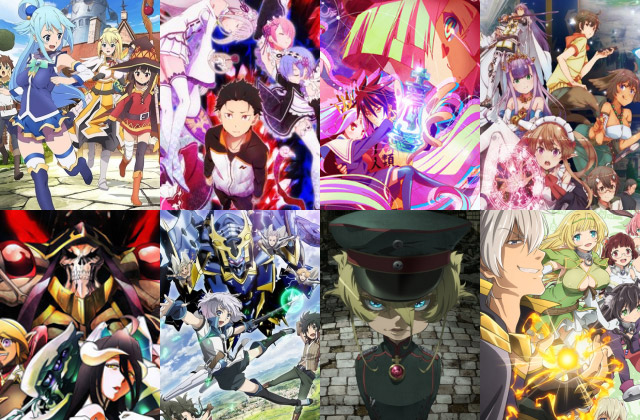
Re:Zero − Starting Life in Another World is one of the most famous modern isekai series. It follows Subaru, a young man transported to another world who discovers that he can return from death, but only after experiencing pain, fear, and emotional trauma. The series is known for psychological tension and character development.
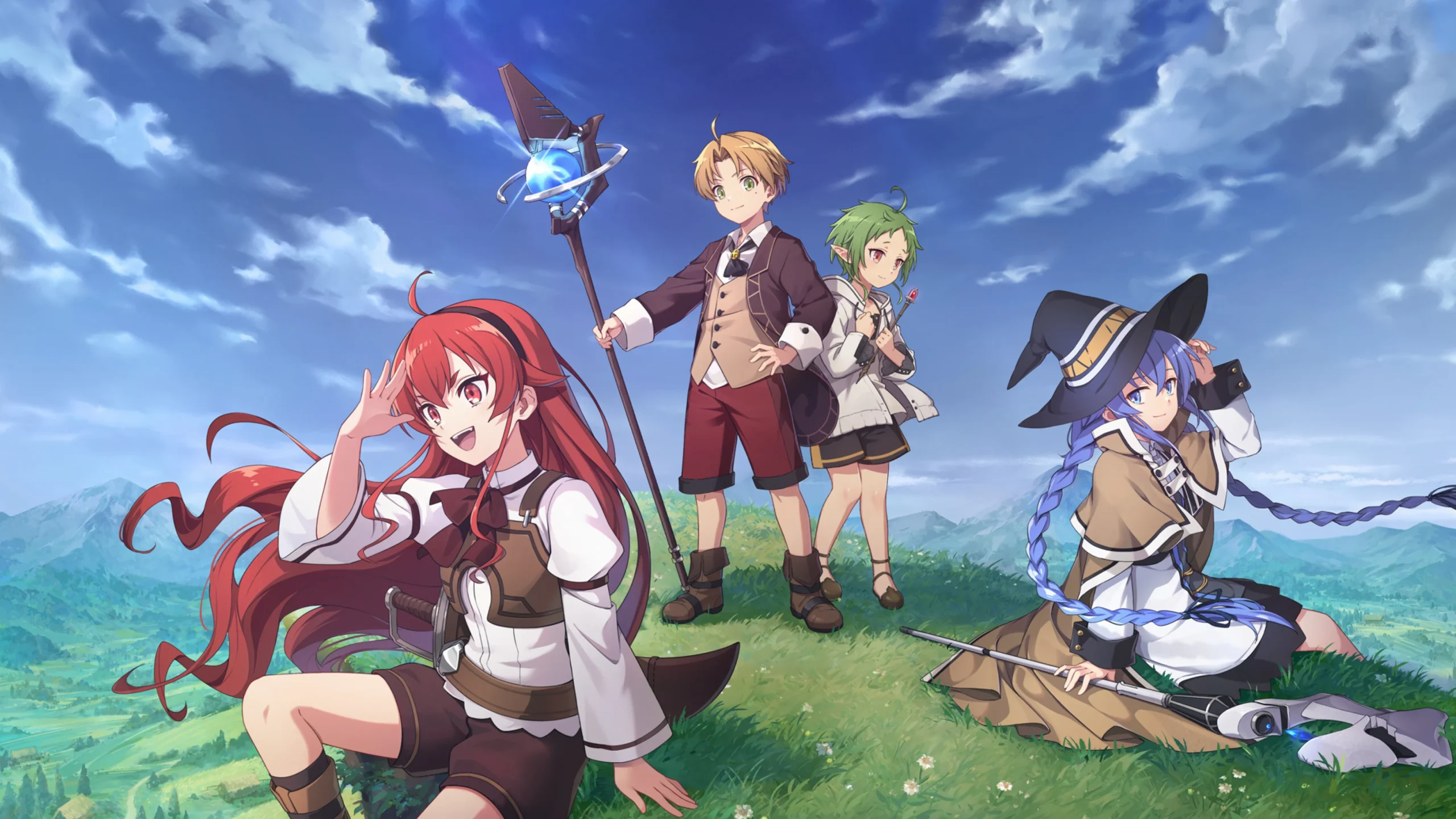
Mushoku Tensei: Jobless Reincarnation is often discussed as a major reincarnation isekai. It follows a man reborn into a fantasy world, where he grows from childhood while carrying memories of his previous life. The series focuses on growth, regret, magic, adventure, and second chances.
That Time I Got Reincarnated as a Slime takes a creative approach by turning the protagonist into a slime monster. Instead of only focusing on battles, the story expands into friendship, diplomacy, nation-building, and fantasy world development.
Sword Art Online is one of the most influential game-world isekai-style anime. Its premise of players trapped in a virtual game helped popularize the idea of game mechanics becoming life-or-death reality.
Log Horizon also explores the game-world concept, but with more focus on society, rules, teamwork, economy, and how people organize themselves inside a game-like world. It appeals to readers and viewers who enjoy strategy and worldbuilding.
The Rising of the Shield Hero uses the summoned hero format and adds betrayal, survival, and reputation struggle. The protagonist is summoned as one of several heroes, but he is quickly forced to survive with limited trust and difficult circumstances.
Overlord follows a powerful player who becomes trapped in the body of his game avatar. Instead of a traditional hero’s journey, it explores domination, loyalty, dark fantasy, and the perspective of an extremely powerful ruler.
KonoSuba: God’s Blessing on This Wonderful World! is a comedy-focused isekai that makes fun of many genre tropes. Instead of a perfect hero, it features flawed characters, chaotic teamwork, and absurd situations.
You can explore manga and genre-based recommendations on KunManga to discover fantasy, action, romance, and adventure titles that match your reading preferences.
Why Is Isekai So Popular?
Isekai is popular because it offers escapism. Many stories begin with an ordinary person leaving behind a stressful, boring, lonely, or unfair life. The new world gives the protagonist a chance to start over, become stronger, build relationships, and find purpose.
The genre also works well as power fantasy. A weak or overlooked character may suddenly gain rare skills, magical power, future knowledge, or special status. Readers enjoy watching the protagonist grow, earn recognition, overcome enemies, and reshape their new life.
Isekai also gives writers almost unlimited storytelling possibilities. A new world can include magic, monsters, kingdoms, gods, game rules, political systems, romance routes, school settings, or survival challenges. Because the setting is flexible, each isekai story can create a different fantasy experience.
Another reason isekai is easy to understand is that the protagonist is often learning alongside the audience. Since the main character is new to the world, explanations about magic, kingdoms, monsters, and rules can feel natural rather than forced.
Criticism & Tropes of Isekai
Although isekai is extremely popular, it is also heavily criticized. Some readers complain that many series use the same formula: an ordinary protagonist dies, wakes up in a fantasy world, receives an overpowered ability, attracts romantic attention, and defeats enemies too easily.
Overpowered main characters are one of the most common isekai tropes. While this can be fun, it can also reduce tension if the protagonist wins every battle without real struggle. Some stories solve this by focusing on politics, emotional conflict, strategy, or moral choices instead of simple power scaling.
Harem elements are another common criticism. Some isekai titles introduce many romantic interests around the protagonist, sometimes at the expense of deeper character development. When handled poorly, this can make the story feel predictable or shallow.
The phrase “isekai fatigue” is often used by fans who feel that too many similar isekai titles are released each season. However, the genre remains popular because strong series continue to find new angles, better characters, unusual settings, or clever twists on familiar formulas.
The best isekai stories usually succeed because they offer more than the basic setup. They may explore trauma, comedy, leadership, survival, identity, grief, friendship, or the consequences of power. When an isekai series uses its premise thoughtfully, it can feel fresh even within a crowded genre.
Related Genres You Should Know
If you are learning what is isekai, it also helps to understand related manga and anime terms. These genres often overlap with isekai, especially in fantasy, romance, comedy, and character-driven stories.
What Is Manhwa?
What is manhwa explains Korean comics, which are often published in full-color webtoon format. Many modern manhwa titles include reincarnation, regression, fantasy progression, and game-like systems that feel close to isekai storytelling.
What Is Ecchi?
What is ecchi covers a suggestive anime and manga content tag often connected with fan service, comedy, romance, and harem stories. Some isekai titles include ecchi elements, although not every isekai is ecchi.
What Is Josei?
What is josei introduces stories aimed mainly at adult women. Josei often focuses on mature romance, emotional conflict, work life, and realistic relationships, which can overlap with fantasy romance or reincarnation stories.
FAQs About Isekai
What does isekai mean in English?
Isekai means “another world” or “different world” in English. In anime and manga, it refers to stories where a character is transported, reincarnated, summoned, or trapped in a world different from their original one.
What was the first isekai anime?
There is no single universally agreed answer because the idea of traveling to another world existed before the modern isekai label became popular. Older anime and manga used portal fantasy or other-world adventure structures long before today’s isekai boom. Many fans point to earlier fantasy adventure series as important foundations rather than naming only one first title.
Is isekai only Japanese?
The word “isekai” is Japanese, and the genre is strongly associated with Japanese anime, manga, light novels, and web novels. However, similar “another world” stories exist in Korean manhwa, Chinese manhua, Western portal fantasy, and global web fiction.
What is the difference between isekai and fantasy?
Fantasy can take place entirely inside a magical world, with characters who already belong there. Isekai specifically involves a character moving from one world to another, often from modern reality into a fantasy setting. That outsider perspective is the core difference.
Why is isekai so popular?
Isekai is popular because it combines escapism, power fantasy, adventure, and second chances. It allows ordinary characters to enter extraordinary worlds, gain new abilities, build new lives, and experience stories that feel both familiar and limitless.
What is reverse isekai?
Reverse isekai is a type of story where a character from a fantasy or other world comes to the real world. Instead of a human entering another world, the direction is reversed. This often creates comedy, culture shock, and unusual interactions with everyday life.
Conclusion
So, what is isekai? Isekai is a genre where a character is transported, reincarnated, summoned, or trapped in another world. That world may include magic, monsters, game systems, fantasy kingdoms, powerful enemies, and opportunities for the protagonist to begin a completely new life.
The appeal of isekai comes from its flexibility. It can be action-packed, emotional, comedic, romantic, dark, relaxing, or strategic. Some stories focus on overpowered heroes, while others explore trauma, survival, worldbuilding, or second chances.
For readers who enjoy fantasy, adventure, reincarnation, game-like systems, and characters rebuilding their lives in unfamiliar worlds, isekai remains one of the most exciting genres to explore. Visit KunManga to discover more manga titles and continue reading related guides like what is manhwa, what is ecchi, and what is josei.

Techna Taylor is a content contributor at KunManga, focusing on manga, manhwa, and webtoon-related guides, recommendations, and reader-friendly explainers. With a strong interest in digital comics and online reading trends, Techna helps create clear, accessible content for fans who want to discover new series, understand popular titles, and follow updates across different manga genres.