
If you are new to anime or manga, you may have seen the term “ecchi” used in genre tags, fan discussions, or recommendation lists and wondered what it actually means. The word often appears next to romance, comedy, harem, school life, or action series, but it can be confusing because it is suggestive without always being explicit.
So, what is ecchi? In simple terms, ecchi refers to anime or manga content that includes playful, suggestive, or mildly sexual themes, usually through fan service, teasing situations, revealing outfits, or comedic misunderstandings. It is not the same as hentai, which is generally associated with explicit adult content.
For readers exploring manga genres on KunManga, understanding ecchi can help you choose stories that match your comfort level, expectations, and preferred reading style. This guide explains the meaning of ecchi, its common traits, how it differs from hentai, and what new fans should know before reading or watching it.
What Does “Ecchi” Mean?
The term “ecchi” comes from the Japanese pronunciation of the letter “H,” which was historically connected to the word “hentai.” Over time, however, ecchi developed a softer meaning in anime and manga fandom. Instead of referring to explicit adult material, it is commonly used to describe suggestive or playful sexual content that stops before becoming graphic.

In Western anime and manga communities, ecchi is usually understood as a genre or content tag. A series labeled as ecchi may include scenes designed to be teasing, flirtatious, comedic, or visually provocative. These scenes often rely on implication rather than explicit depiction.
The most important distinction for beginners is this:
Ecchi is suggestive. Hentai is explicit.
Ecchi may include fan service, awkward romantic comedy moments, revealing outfits, or exaggerated reactions. Hentai, on the other hand, is typically categorized as adult material with explicit sexual content. While both terms can be connected to sexual themes, they are not used the same way by most anime and manga fans.
That is why asking “what is ecchi” is not just about learning a word. It is also about understanding how anime and manga communities classify tone, audience expectations, and content boundaries.
Key Characteristics of Ecchi Content
Ecchi content usually follows certain patterns. Not every ecchi manga or anime uses all of them, but these traits appear frequently enough that fans recognize them as part of the genre.
Suggestive but Not Explicit
The main feature of ecchi is suggestion. A scene may include teasing dialogue, accidental situations, romantic tension, or visual fan service, but it usually avoids explicit sexual depiction. The content is often built around implication, comedy, exaggeration, and character reactions.
This is why ecchi can appear in many mainstream-style stories. It may be used as a comedic device, a romantic tension builder, or a way to appeal to fans of playful adult humor without becoming fully adult content.
Fan Service Elements
Fan service is one of the most common parts of ecchi. It may include revealing clothing, swimsuit scenes, awkward camera angles, accidental encounters, or exaggerated character designs. These elements are usually added to attract attention, create humor, or make certain scenes feel more provocative.
However, fan service does not automatically mean a series is ecchi. Some action, fantasy, or comedy series may include a few fan service moments without being centered around ecchi themes. A true ecchi series usually makes suggestive humor or fan service a regular part of its identity.
Often Mixed With Other Genres
Ecchi rarely stands alone. It is usually combined with other popular anime and manga genres, such as:
- Harem
- Romantic comedy
- School life
- Fantasy
- Action
- Supernatural
- Seinen
- Shonen comedy
For example, an ecchi harem series may focus on one main character surrounded by multiple romantic interests. An ecchi action series may combine battles with fan service moments. A school-life ecchi comedy may rely on misunderstandings, awkward romance, and exaggerated reactions.
Usually Made for Teen or Older Audiences
Ecchi is not always adult-only, but it is not usually intended for young children. Many ecchi titles are aimed at older teen or adult audiences, depending on the level of suggestive material, jokes, visual presentation, and regional rating standards.
Because ratings vary by platform, country, and publisher, readers should always check the content label or age rating before watching or reading a series.
Ecchi in Manga vs Ecchi in Anime
Ecchi can appear in both manga and anime, but the way it is presented may feel different depending on the medium.
In manga, ecchi scenes rely on panel composition, character expressions, framing, and page pacing. A manga artist can use still images to create tension, humor, or surprise. Because readers control the pace, suggestive moments may feel more focused or stylized.
In anime, ecchi content becomes more dynamic. Movement, voice acting, timing, sound effects, and camera direction can make fan service scenes more exaggerated. A comedic misunderstanding may feel louder or more dramatic in anime because the scene is supported by animation, music, and performance.
Manga ecchi often gives more room for visual storytelling. A character’s reaction, a sudden panel reveal, or a carefully framed moment can deliver the joke or tease without needing long explanation. Anime ecchi, meanwhile, often depends more on timing, motion, and exaggerated comedy.
Neither format is automatically better. Some fans prefer the visual detail and pacing of manga, while others enjoy the energy and comedic delivery of anime adaptations.
Popular Ecchi Manga & Anime Examples
Ecchi has appeared in many well-known manga and anime series. Some are strongly associated with the genre, while others include ecchi elements as part of a broader story.

To Love-Ru
To Love-Ru is one of the most recognized ecchi harem romantic comedies. It mixes school life, alien characters, chaotic romance, and frequent fan service. The series is often mentioned when fans discuss classic ecchi manga and anime.
High School DxD
High School DxD combines supernatural action, demons, school life, harem romance, and ecchi comedy. It is known for blending battle-focused storytelling with strong fan service elements.
Food Wars! Shokugeki no Soma
Food Wars! is not purely an ecchi series, but it uses exaggerated sensual reactions to food as a recurring comedic device. Its fan service is tied to the drama of cooking battles and over-the-top character responses.
Prison School
Prison School is a seinen comedy known for absurd situations, exaggerated humor, and mature fan service. It uses ecchi elements in a more extreme comedic style, often targeting older audiences.
Monster Musume
Monster Musume blends fantasy, comedy, harem themes, and ecchi storytelling. Its premise involves monster girls living with a human protagonist, creating many comedic and suggestive situations.
Rosario + Vampire
Rosario + Vampire combines supernatural school life, romance, action, and fan service. While it is not only about ecchi, it includes many genre elements that fans often associate with suggestive manga and anime.
You can explore manga titles and related genre recommendations on KunManga, depending on availability and updates.
Is Ecchi Appropriate for All Audiences?
Ecchi is not appropriate for all audiences. While it is usually less explicit than hentai, it still contains suggestive themes, fan service, and sexual humor. This means younger readers or viewers may not be the right audience for many ecchi titles.
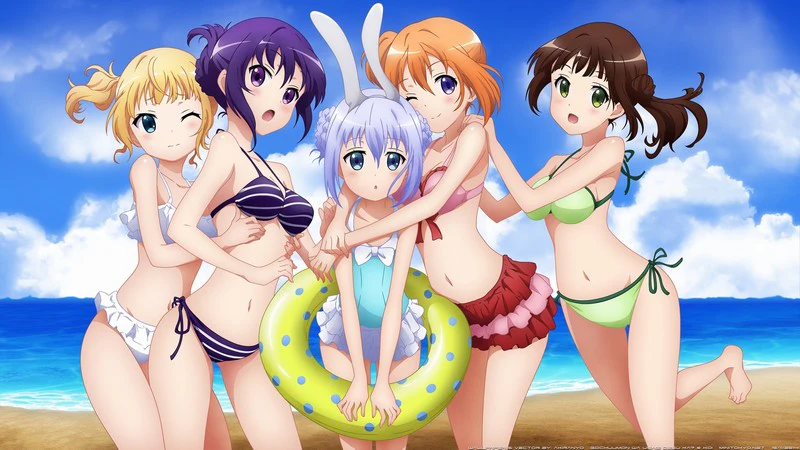
Parents should understand that ecchi content can include:
- Revealing outfits
- Suggestive jokes
- Romantic or sexual misunderstandings
- Fan service scenes
- Mature comedy
- Characters placed in awkward or provocative situations
Age ratings differ depending on the platform, publisher, country, and specific title. Some ecchi series may be labeled for teens, while others may be more suitable for mature audiences. The safest approach is to check the official rating, read the content description, and review audience feedback before allowing younger viewers to watch or read.
Platforms also handle ecchi differently. Some streaming services or manga websites allow suggestive content with proper labels, while others may restrict it, blur certain scenes, or remove titles that do not fit their content rules. Because of this, the availability of ecchi manga and anime can vary widely.
Related Genres You Should Know
If you are learning what is ecchi, it also helps to understand nearby manga and anime genres. Many series combine multiple genres, so knowing the difference can help you find stories that fit your taste.
What Is Manhwa?
What is manhwa explains Korean comics and how they differ from Japanese manga. Manhwa is often published in webtoon format, with vertical scrolling, full-color chapters, and digital-first storytelling.
What Is Isekai?
What is isekai covers stories where characters are transported, reincarnated, or trapped in another world. Isekai can include fantasy, action, romance, comedy, and sometimes ecchi elements depending on the title.
What Is Josei?
What is josei introduces manga aimed mainly at adult women. Josei often focuses on realistic romance, work life, emotional growth, and mature relationships, though its tone can vary from soft drama to comedy.
Understanding these related genres makes it easier to navigate manga platforms, choose better recommendations, and recognize what each tag usually means.
FAQs About Ecchi
Is ecchi the same as hentai?
No. Ecchi and hentai are not the same. Ecchi usually refers to suggestive, playful, or fan service-heavy content that is not explicit. Hentai is generally used for explicit adult anime or manga. For beginners, the easiest way to remember the difference is: ecchi teases, while hentai shows explicit adult content.
Can kids watch ecchi anime?
In most cases, ecchi anime is not recommended for kids. Even if it is not explicit, it often includes suggestive jokes, revealing outfits, and mature situations. Parents should check the rating, platform description, and content warnings before deciding whether a title is appropriate.
What’s the difference between ecchi and fan service?
Fan service refers to content added to please the audience, often through attractive visuals, teasing scenes, special outfits, or character-focused moments. Ecchi is a broader genre or tag where suggestive fan service is a major part of the content. A series can have fan service without being ecchi, but ecchi series usually contain fan service regularly.
Is ecchi considered adult content?
Ecchi is not always classified as adult content, but it is still mature or suggestive. Some ecchi titles may be suitable for older teens, while others are better for adults. The classification depends on how intense the content is and how each platform or publisher rates it.
Conclusion
So, what is ecchi? Ecchi is an anime and manga genre or content tag built around suggestive humor, fan service, teasing situations, and playful sexual themes without crossing into explicit adult content. It is often mixed with romance, harem, comedy, fantasy, action, or school-life stories.
For new fans, the key is understanding the difference between ecchi and hentai. Ecchi is usually suggestive and comedic, while hentai is explicit adult content. Ecchi can be entertaining for readers who enjoy playful fan service, but it is not suitable for every audience.
To explore manga genres, discover new stories, and continue learning about anime and manga terms, visit KunManga and check out related guides like what is manhwa, what is isekai, and what is josei.
FAQs About Ecchi
Is ecchi the same as hentai?
No. Ecchi and hentai are not the same. Ecchi usually refers to suggestive, playful, or fan service-heavy content that is not explicit. Hentai is generally used for explicit adult anime or manga. For beginners, the easiest way to remember the difference is: ecchi teases, while hentai shows explicit adult content.
Can kids watch ecchi anime?
In most cases, ecchi anime is not recommended for kids. Even if it is not explicit, it often includes suggestive jokes, revealing outfits, and mature situations. Parents should check the rating, platform description, and content warnings before deciding whether a title is appropriate.
What’s the difference between ecchi and fan service?
Fan service refers to content added to please the audience, often through attractive visuals, teasing scenes, special outfits, or character-focused moments. Ecchi is a broader genre or tag where suggestive fan service is a major part of the content. A series can have fan service without being ecchi, but ecchi series usually contain fan service regularly.
Is ecchi considered adult content?
Ecchi is not always classified as adult content, but it is still mature or suggestive. Some ecchi titles may be suitable for older teens, while others are better for adults. The classification depends on how intense the content is and how each platform or publisher rates it.

Techna Taylor is a content contributor at KunManga, focusing on manga, manhwa, and webtoon-related guides, recommendations, and reader-friendly explainers. With a strong interest in digital comics and online reading trends, Techna helps create clear, accessible content for fans who want to discover new series, understand popular titles, and follow updates across different manga genres.