
New fans of Japanese pop culture often use the words manga and anime as if they mean the same thing. They are closely connected, and many famous stories exist in both forms, but they are not the same. Manga is something you read, while anime is something you watch.
So, what is the difference between manga and anime? Manga refers to Japanese comics or graphic novels, usually published in print or digital format. Anime refers to Japanese animation, usually released as TV episodes, films, or streaming series.
If you’re ready to dive into the world of manga, KunManga is a great place to start your reading journey. This guide explains what manga is, what anime is, how they differ, which usually comes first, and whether beginners should start by reading or watching.
What Is Manga?
Manga is the Japanese term for comics or graphic novels. Outside Japan, the word is commonly used to describe comics created in Japan or works strongly influenced by Japanese comic storytelling. Manga can be published in printed magazines, collected volumes, digital platforms, or online chapters.
The history of manga is long and complex. Some scholars connect its visual roots to older Japanese picture scrolls and illustrated storytelling traditions, while the modern manga industry developed strongly in the twentieth century. Today, manga is one of Japan’s most influential cultural exports.
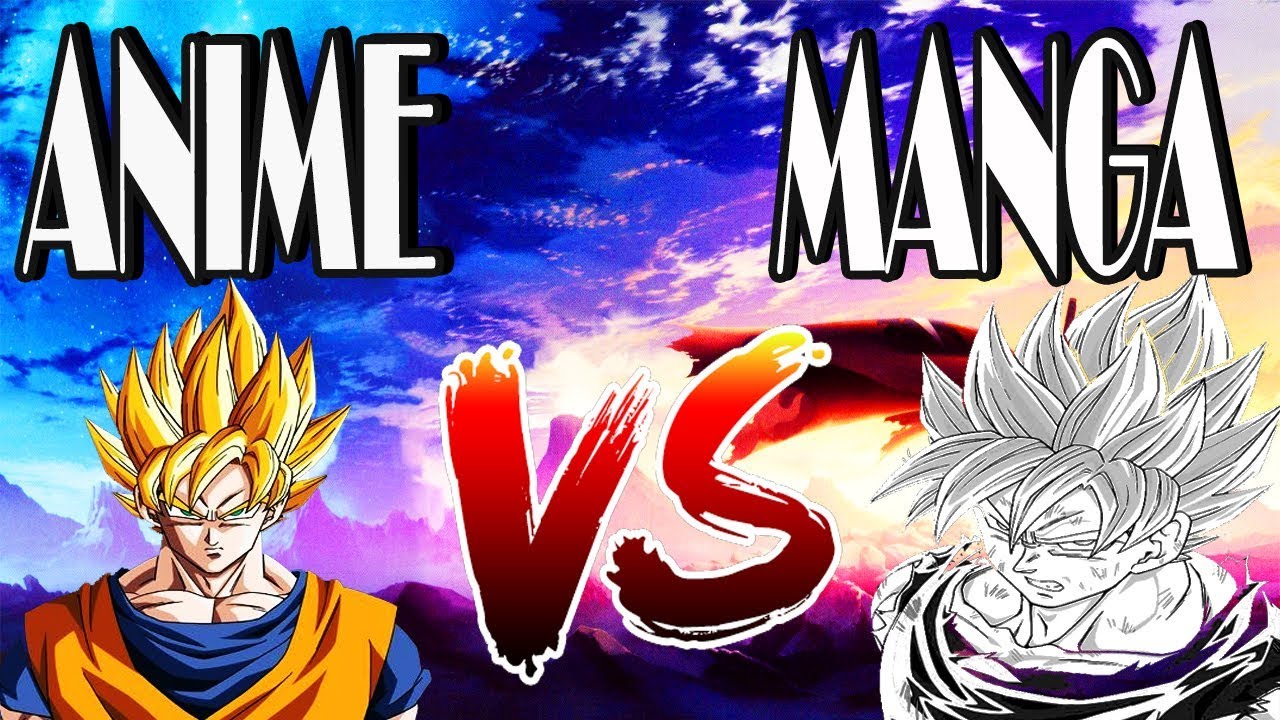
One of the most recognizable features of manga is its reading direction. Many Japanese manga are read from right to left, including panels, speech bubbles, and pages. This can feel unusual for beginners, but most readers adjust quickly after a few chapters.
Manga is also usually published in black and white. Color pages exist, especially for special chapters, covers, digital releases, or web formats, but traditional manga is often monochrome. This allows artists to produce chapters more efficiently while still creating expressive characters, detailed backgrounds, and cinematic panel flow.
Manga covers almost every genre and demographic. There are action manga, romance manga, horror manga, comedy manga, sports manga, fantasy manga, slice-of-life manga, psychological thrillers, and more. Manga is also published across many demographics, from action-packed shonen to the mature romance of what is josei, catering to virtually every type of reader.
Major manga demographics include shonen for young male readers, shojo for young female readers, seinen for adult men, josei for adult women, and kodomomuke for children. These labels describe target audiences, but readers of any age or gender can enjoy any category.
What Is Anime?
Anime is animation from Japan. Outside Japan, the word usually refers specifically to Japanese animated films and series. Anime can be released as weekly TV episodes, theatrical movies, original video animations, streaming shows, or short specials.
Modern anime became especially influential from the 1960s onward, with television anime helping shape the industry. Over time, anime expanded globally through VHS, DVDs, cable TV, fan communities, streaming platforms, conventions, and social media. Today, anime is a major part of global entertainment culture.
Unlike manga, anime includes motion, color, voice acting, music, sound effects, editing, and animation direction. A manga panel may show a character preparing for battle, but anime can add movement, dramatic music, voice performance, background sound, and visual effects to make the same moment feel more intense.
Anime is different from Western animation mainly because of its cultural origin, production style, visual language, and storytelling traditions. However, the line can sometimes feel blurry because global animation has influenced and borrowed from Japanese anime for decades.
Anime is not a genre by itself. Like manga, it can include romance, horror, fantasy, comedy, drama, action, science fiction, sports, mystery, slice of life, and many other categories.
Key Differences Between Manga and Anime
The main answer to what is the difference between manga and anime is format. Manga is a reading format built from still images, panels, speech bubbles, and page composition. Anime is a viewing format built from moving images, sound, color, editing, and performance.
Manga is usually static. The reader controls the pace by turning pages or scrolling digitally. You can pause on a panel, reread dialogue, study the artwork, or move quickly through action scenes. This makes manga a very personal and self-paced experience.
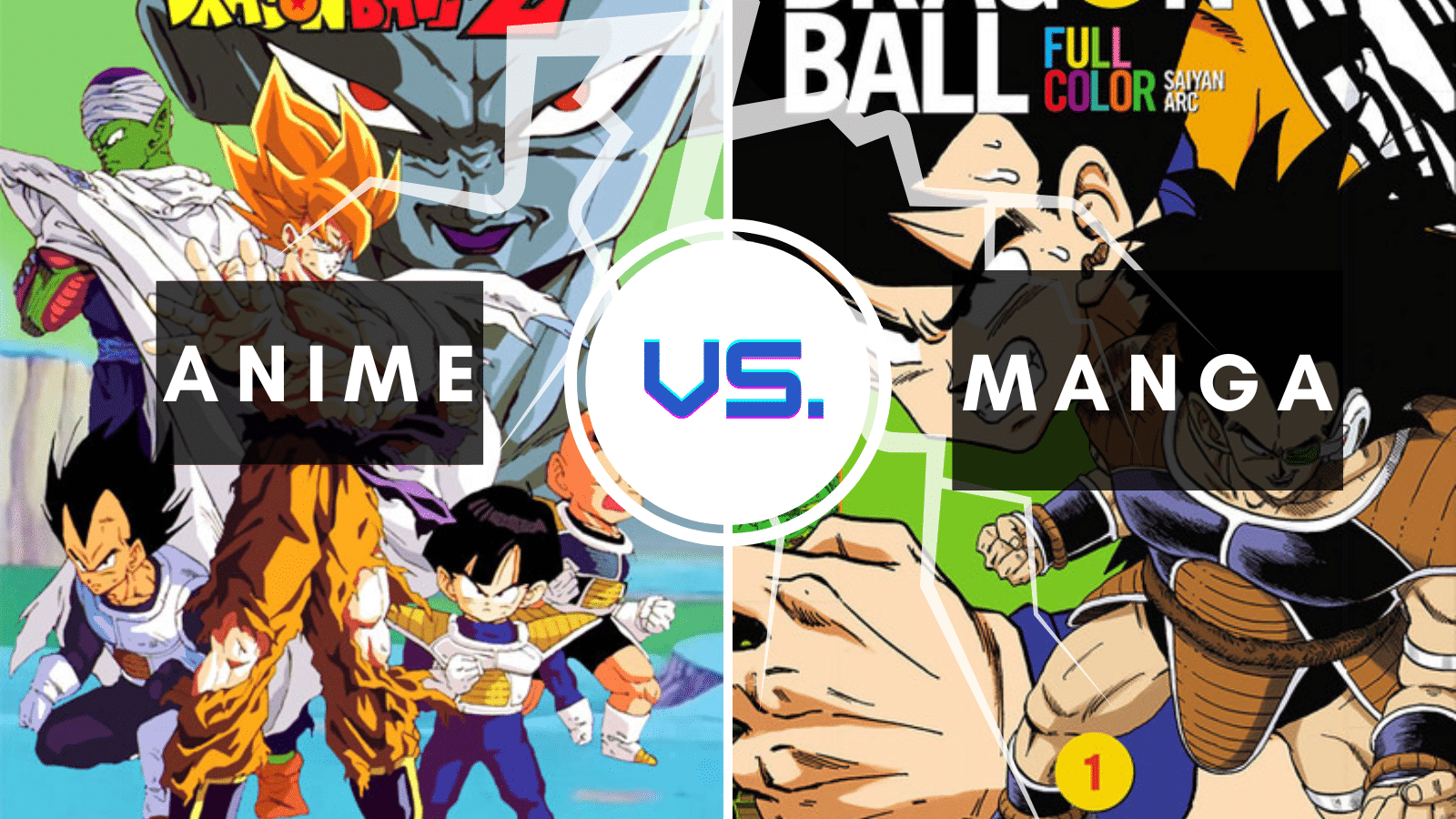
Anime has a fixed runtime. A typical episode may last around 20 to 25 minutes, and the viewer experiences the story at the speed chosen by the director, editor, animators, and voice actors. This can make emotional scenes, battles, and comedy feel more dramatic or immersive.
Color is another major difference. Manga is usually black and white, especially in traditional print form. Anime is usually full color, with lighting, background art, character color design, and special effects adding visual impact.
Sound is also a key difference. Manga is silent, so readers imagine the characters’ voices, music, and atmosphere. Anime provides voice acting, opening songs, ending themes, sound effects, background music, and silence at carefully timed moments.
Production cost is very different as well. Manga can be created by a mangaka and a small team of assistants, though the workload is still intense. Anime usually requires a large production team, including directors, animators, voice actors, composers, editors, producers, background artists, sound teams, and studios.
Availability can also differ. Manga often moves ahead of anime because many anime are adapted from manga after the manga becomes successful. This means manga readers may know story events years before anime-only viewers.
Examples make the difference clear. One Piece manga is the original comic created by Eiichiro Oda, while One Piece anime is the animated adaptation. Naruto manga is the printed comic version, while Naruto anime adds voices, music, motion, and filler episodes.
Which Comes First, Manga or Anime?
In many cases, manga comes first. A manga series becomes popular through magazine serialization, collected volumes, or digital platforms. If it gains a strong audience, it may receive an anime adaptation.
This is common because manga is often easier and less expensive to produce than anime. Publishers and studios can use manga popularity as a sign that the story already has fans. If the manga sells well, an anime adaptation becomes a safer business decision.
However, anime does not always come from manga. Some anime are original productions created directly for television, film, or streaming. Cowboy Bebop is a famous example of an anime-original work. Another example is Neon Genesis Evangelion, which is best known as an original anime project, even though manga versions also exist.
There are also cases where a light novel comes first, then receives manga and anime adaptations. This is common in fantasy, romance, and isekai stories. Some franchises begin as web novels, become light novels, then manga, then anime, and later expand into games and merchandise.
A useful correction for beginners is that Fullmetal Alchemist: Brotherhood is not an anime-original story. It is known for closely following the manga compared with the earlier 2003 Fullmetal Alchemist anime, which diverged from the manga because the manga had not finished yet.
Manga often stays ahead of anime because anime production takes time. A studio may adapt only a portion of the manga, wait for more source material, or stop before the full story is animated.
Manga vs Anime: Which Is Better?
There is no absolute answer to whether manga or anime is better. It depends on how you prefer to experience stories.
Manga is great for readers who enjoy controlling the pace. You can read slowly, move quickly, reread important scenes, or pause on detailed artwork. Manga also gives you direct access to the original paneling, pacing, and visual choices of the creator.
Another advantage of manga is that it usually has no filler. Because many anime adaptations need to avoid catching up to the manga, they sometimes add filler episodes, recap scenes, or slower pacing. Manga usually delivers the core story more directly.
Anime is ideal for viewers who want a complete audio-visual experience. Voice acting can make characters feel alive, music can make emotional scenes stronger, and animation can turn battles or dramatic moments into something unforgettable.
Some stories work beautifully in manga because of the author’s artwork and page flow. Others become more powerful in anime because of motion, color, music, and performance. For example, an emotional confession may feel intimate in manga, while a battle scene may feel more exciting in anime.
The best choice depends on your mood. If you want to move through the story quickly and stay close to the original source, manga may be better. If you want action, music, voices, and atmosphere, anime may be more enjoyable.
How Manga and Anime Relate to Other Japanese Media
Manga and anime are part of a larger Japanese media ecosystem. A successful story may begin as manga, become anime, inspire a video game, produce merchandise, receive a film, and build a long-running franchise.
This system is often called a media mix. It allows one story world to appear across many formats, including manga volumes, anime episodes, light novels, visual novels, games, toys, posters, figures, soundtracks, stage plays, and live-action adaptations.
Light novels are especially important in modern anime culture. Many fantasy, romance, school, and isekai series begin as light novels or web novels before becoming manga and anime. Visual novels also play an important role, especially in romance, mystery, and character-driven stories.
This media mix cycle is especially visible in what is isekai, a genre that often begins as a web novel before becoming a light novel, manga adaptation, anime series, and finally merchandise.
Because of this ecosystem, manga and anime are not rivals. They often support each other. Manga can build the original fanbase, while anime can introduce the story to a much wider audience.
FAQs
What is the main difference between manga and anime?
The main difference is format. Manga is Japanese comics or graphic novels that you read, while anime is Japanese animation that you watch. Manga uses still images and text, while anime uses motion, color, sound, music, and voice acting.
Is manga better than anime?
Manga is not automatically better than anime, and anime is not automatically better than manga. Manga is better for readers who want original pacing, detailed artwork, and no filler. Anime is better for viewers who enjoy animation, voice acting, music, and visual effects.
Can you watch anime without reading manga?
Yes. Many people watch anime without reading the manga first. Anime adaptations are usually designed to be understandable on their own. However, reading the manga can give you more details, extra scenes, or story arcs that the anime may not cover.
Do manga and anime have the same story?
Sometimes they have the same story, but not always. Some anime follow the manga closely, while others change scenes, skip arcs, add filler, or create original endings. The differences depend on the adaptation, production schedule, and how much manga material was available at the time.
Is manga always in black and white?
No. Manga is usually black and white, especially in traditional print form, but it is not always monochrome. Some manga include color pages, special editions, digital color versions, or full-color web releases.
What came first, manga or anime?
For many famous franchises, manga came first and anime was adapted later. However, some anime are original productions, and some stories begin as light novels, web novels, visual novels, or games before becoming manga or anime.
Conclusion
So, what is the difference between manga and anime? Manga is read, while anime is watched. Manga uses still images, panels, and text. Anime uses animation, voice acting, music, color, and motion.
Both formats are important parts of Japanese pop culture. Manga often provides the original story and artwork, while anime brings that story to life through sound and movement. Some fans prefer reading manga first, while others discover a series through anime and then continue with the manga.
If you are new to Japanese comics, starting with manga can help you experience the source material at your own pace. Visit KunManga to explore manga titles and begin your reading journey across action, romance, fantasy, comedy, drama, and more.

Techna Taylor is a content contributor at KunManga, focusing on manga, manhwa, and webtoon-related guides, recommendations, and reader-friendly explainers. With a strong interest in digital comics and online reading trends, Techna helps create clear, accessible content for fans who want to discover new series, understand popular titles, and follow updates across different manga genres.