
Shoujo manga is one of the oldest, most beloved, and most emotionally recognizable categories in Japanese comics. Many readers associate it with romance, sparkling artwork, and school-life drama, but shoujo is much broader than that. It can include fantasy, adventure, comedy, tragedy, magical girls, historical stories, and deeply personal coming-of-age journeys.
So, what is shoujo manga? Shoujo manga is manga created mainly for teenage girls, usually between the ages of 12 and 18. While romance is common, the heart of shoujo manga is emotional storytelling, character growth, relationships, and self-discovery.
From classic titles to modern hits, you can discover a wide range of shoujo manga on KunManga. This guide explains the meaning of shoujo, its history, key traits, popular subgenres, famous titles, and why it continues to appeal to readers around the world.
What Does “Shoujo” Mean?
The word “shoujo” comes from the Japanese term 少女, which means “young girl” or “little girl.” In manga publishing, shoujo refers to a demographic category aimed primarily at young female readers, especially teenagers.
The pronunciation is close to “show-joe.” You may also see the term written as shōjo or shojo. All of these usually refer to the same category, though “shoujo” and “shojo” are more common in casual English searches because they are easier to type.
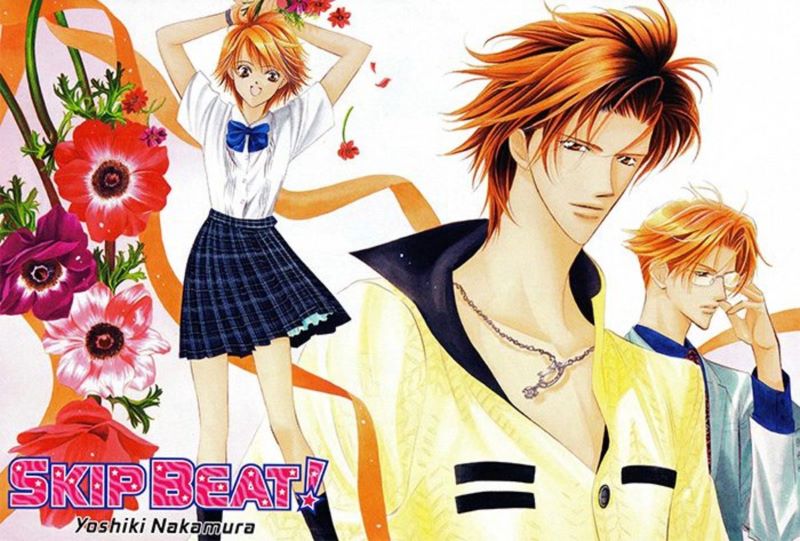
An important thing to understand is that shoujo is a demographic, not a strict genre. A genre describes the type of story, such as romance, fantasy, comedy, horror, or action. A demographic describes the main target audience. This means shoujo manga can be romantic, magical, dark, funny, adventurous, or dramatic.
Because romance is so common in shoujo manga, many readers assume shoujo simply means “romance manga.” That is not completely accurate. Romance is a major part of many shoujo titles, but the category itself is defined by audience and emotional perspective rather than one fixed plot formula.
The History of Shoujo Manga
Shoujo manga has a long history in Japan. Early girls’ comics began developing in the mid-twentieth century, especially during the 1950s and 1960s. At first, many stories were simple, sentimental, or family-friendly, but the category gradually became more ambitious as artists experimented with emotion, layout, character psychology, and dramatic storytelling.
The 1970s are often remembered as a golden age for shoujo manga. During this period, a group of influential female manga artists, often called the Year 24 Group, transformed the category. They introduced more complex themes, experimental panel layouts, deeper psychology, gender exploration, historical drama, science fiction, and emotional intensity.
This creative shift helped shoujo manga become more than sweet romance or simple stories for girls. It became a space where artists could explore identity, love, loneliness, friendship, social pressure, trauma, and personal freedom.
Over time, shoujo manga moved from print magazines into collected volumes, anime adaptations, digital platforms, and global fandom. Today, shoujo continues to influence manga, anime, webtoons, live-action dramas, fashion, fan art, and romance storytelling around the world.
Key Characteristics of Shoujo Manga
One of the strongest characteristics of shoujo manga is its focus on emotion. While action manga may prioritize battles and power progression, shoujo often spends more time on feelings, relationships, inner conflict, and personal change. A small misunderstanding, a confession, a glance, or a silence can carry major emotional weight.
The art style is also highly recognizable. Many shoujo manga use expressive eyes, delicate linework, soft backgrounds, flowers, sparkles, screen tones, and decorative effects. These visual elements are not only for beauty. They help communicate mood, romance, tension, sadness, and emotional atmosphere.
Shoujo manga often features female protagonists, though this is not a strict rule. The story may be told through a close emotional perspective, allowing readers to understand the protagonist’s fears, hopes, insecurities, and growth. This intimate storytelling style is one reason shoujo can feel deeply personal.
Common themes include first love, friendship, self-discovery, school life, family expectations, jealousy, heartbreak, courage, and growing up. Even fantasy or magical girl stories often return to emotional questions: Who am I? Who can I trust? What does love mean? How do I become stronger without losing myself?
Panel layout in shoujo manga can also be more fluid and emotional than strictly action-driven. Instead of focusing only on physical movement, the page may use floating panels, close-up expressions, decorative backgrounds, and dramatic spacing to show what a character feels inside.
Shoujo vs Other Demographics
To understand shoujo manga more clearly, it helps to compare it with other manga demographics such as shonen and seinen.
Shoujo is aimed mainly at teenage girls. It often focuses on romance, emotional growth, friendship, identity, and personal relationships. The pacing may be slower and more emotionally driven, giving readers time to connect with the characters’ inner worlds.
Shonen is aimed mainly at teenage boys. It often focuses on action, rivalry, friendship, adventure, training, battles, and personal ambition. Famous shonen titles usually have fast pacing, bold visuals, power systems, and energetic conflict.
Seinen is aimed mainly at adult men. It can include darker themes, psychological complexity, realism, violence, politics, crime, philosophy, or mature slice-of-life storytelling. Seinen is extremely broad and can range from quiet drama to intense action.
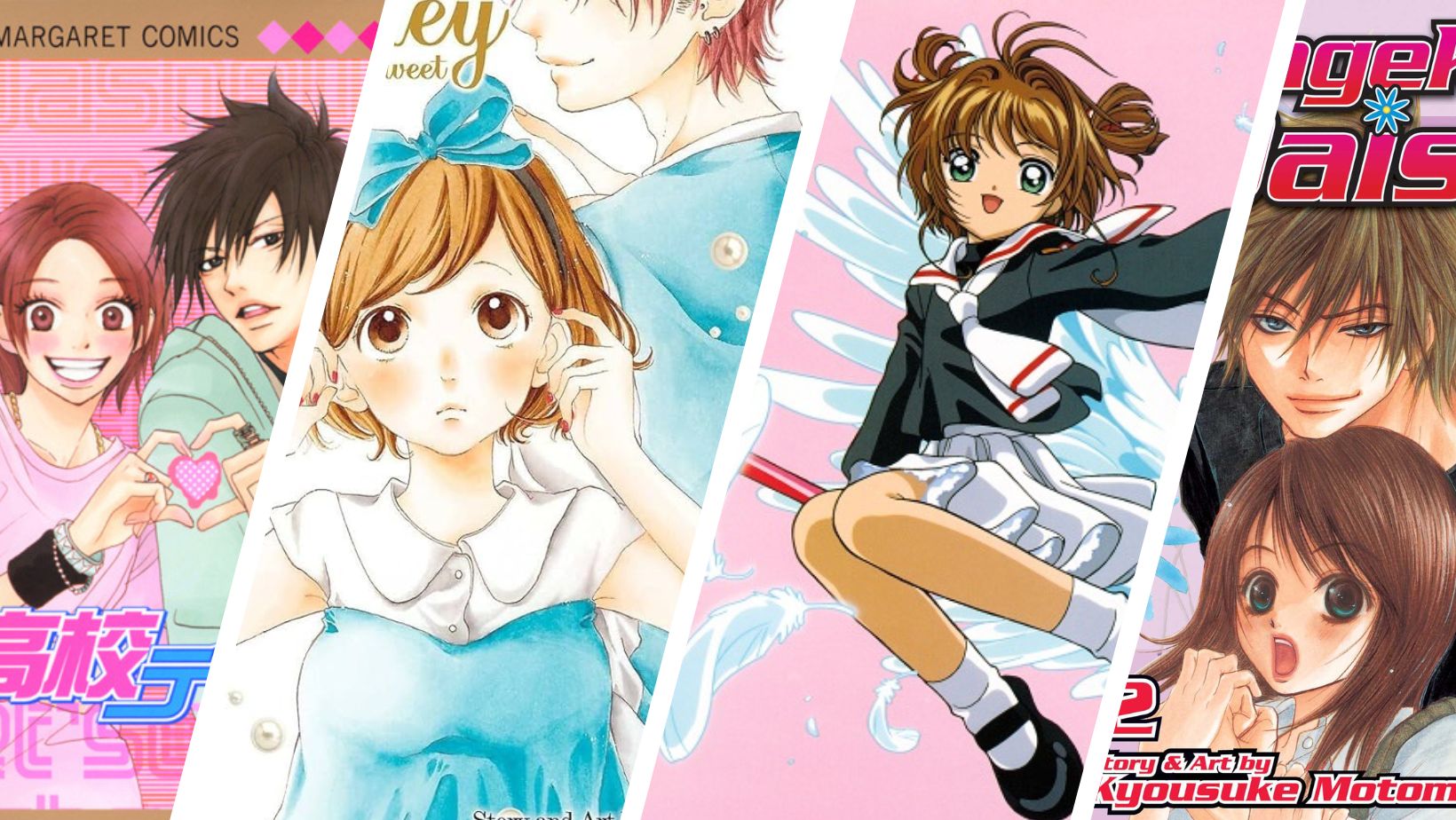
The main difference is not whether one category is “better” than another. Each demographic is shaped by audience expectations, magazine traditions, and storytelling style. Shoujo stands out because it gives special attention to emotional experience, relationship dynamics, and the personal growth of young characters.
As readers grow older, many transition from shoujo to what is josei, which targets adult women with more realistic and complex relationship dynamics. Josei often explores work life, adult romance, marriage, independence, and emotional struggles beyond the teenage years.
Popular Shoujo Manga Genres & Subgenres
Romantic Comedy
Romantic comedy is one of the most popular shoujo subgenres. These stories mix love, misunderstandings, humor, awkward moments, jealousy, and emotional development. Titles like Ouran High School Host Club and Maid Sama! are well-known examples that combine comedy with romance.
Magical Girl
Magical girl, or mahou shoujo, is one of the most iconic branches of shoujo. These stories usually feature young girls who transform, gain magical powers, fight evil, and protect what they love. Sailor Moon and Cardcaptor Sakura are two of the most famous magical girl titles.
Historical Romance
Historical shoujo manga often combines romance with period settings, royal courts, political tension, or social class conflict. These stories may explore love under strict social rules, arranged marriages, family duty, or personal freedom.
Fantasy & Adventure
Fantasy shoujo can include magical kingdoms, supernatural powers, spirits, curses, reincarnation, or epic journeys. Unlike action-focused fantasy, shoujo fantasy often keeps emotional bonds and character growth at the center of the story.
Slice of Life & School Drama
School-life shoujo focuses on everyday experiences such as friendship, crushes, exams, clubs, family problems, and emotional growth. Series like Kimi ni Todoke and Ao Haru Ride are loved for their gentle pacing, relatable characters, and heartfelt romance.
Most Popular Shoujo Manga of All Time
Sailor Moon is one of the most influential shoujo manga ever created. It combines magical girl action, friendship, romance, destiny, and female heroism. Its impact on anime, manga, fashion, and global pop culture is enormous.
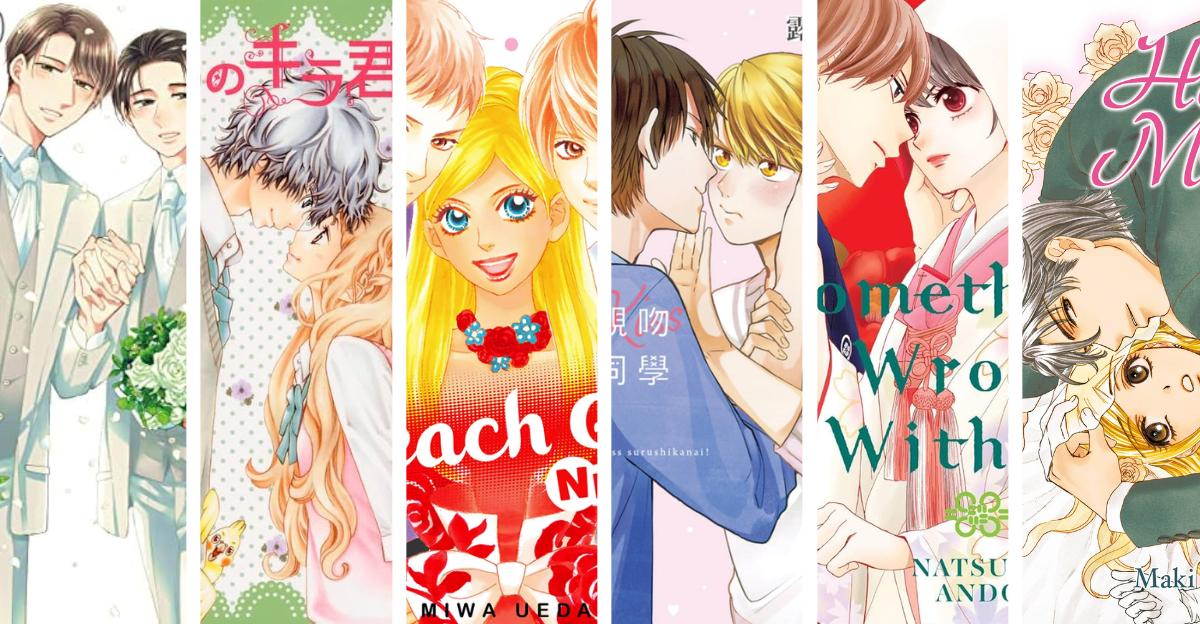
Fruits Basket is a beloved emotional fantasy romance about family trauma, healing, kindness, and self-acceptance. It is often praised for its character development and ability to balance warmth with painful emotional themes.
Ouran High School Host Club is a classic romantic comedy that plays with class differences, gender presentation, and school comedy. Its humor, memorable cast, and self-aware tone made it a favorite among shoujo fans.
Kimi ni Todoke is a gentle school romance about a shy girl who struggles to connect with others. The series is loved for its slow-burn emotional development and sincere portrayal of friendship and first love.
Ao Haru Ride is a modern shoujo romance about reconnecting with a first love after personal change and emotional distance. It captures the confusion, hope, and pain of teenage relationships.
Cardcaptor Sakura is a magical girl classic known for its charming artwork, warm characters, and fantasy adventure. It blends magic, friendship, innocence, and emotional growth in a way that continues to attract new readers.
Skip Beat! is a long-running shoujo manga about revenge, acting, ambition, and self-transformation. Instead of focusing only on romance, it follows a heroine who rebuilds herself through determination and talent.
Lovely Complex is a romantic comedy about two classmates with a height difference who slowly develop feelings for each other. It is known for its humor, expressive characters, and relatable emotional timing.
Why Shoujo Manga Has Global Appeal
Shoujo manga has global appeal because emotional storytelling crosses cultural boundaries. Readers from different countries can understand the fear of rejection, the excitement of first love, the pain of friendship problems, and the struggle to discover who they are.
Female protagonists are another major reason shoujo remains popular. Many shoujo heroines are not powerful because they win battles, but because they endure, change, forgive, speak honestly, or choose their own path. This kind of strength can feel deeply relatable.
Shoujo manga is not only for girls. While it is aimed mainly at teenage female readers, many boys, men, and adult readers enjoy shoujo because of its emotional depth, humor, beautiful art, and strong character writing.
The influence of shoujo can also be seen in anime, live-action dramas, fashion aesthetics, romance webtoons, and fan communities. Its visual language, emotional pacing, and relationship-focused storytelling have shaped many forms of popular media.
Shoujo’s global popularity has also paved the way for what is manhwa romance titles, which draw heavily from shoujo conventions while adding a distinctly Korean storytelling flavor through full-color digital art, vertical scrolling, and webtoon-style pacing.
FAQs
What does shoujo mean in manga?
Shoujo means “young girl” in Japanese. In manga, shoujo refers to a demographic category aimed mainly at teenage girls, often featuring emotional storytelling, romance, friendship, self-discovery, and coming-of-age themes.
Is shoujo manga only for girls?
No. Shoujo manga is targeted mainly at teenage girls, but anyone can read and enjoy it. Many readers of different genders and ages enjoy shoujo for its emotional depth, expressive artwork, romance, comedy, and character development.
What is the difference between shoujo and josei?
Shoujo is aimed mainly at teenage girls, while josei is aimed mainly at adult women. Shoujo often focuses on first love, school life, friendship, and youthful self-discovery. Josei usually explores more mature relationships, work life, adult struggles, and realistic emotional conflict.
What is the most popular shoujo manga of all time?
Sailor Moon is often considered one of the most popular and influential shoujo manga of all time. Other major titles include Fruits Basket, Cardcaptor Sakura, Ouran High School Host Club, and Kimi ni Todoke.
Is shoujo manga always about romance?
No. Romance is common in shoujo manga, but shoujo is not always about romance. It can also include fantasy, magical girls, comedy, adventure, drama, mystery, slice of life, historical stories, and psychological themes.
What age group is shoujo manga for?
Shoujo manga is usually aimed at teenage girls, often around ages 12 to 18. However, the exact age range can vary depending on the magazine, publisher, story content, and themes.
Conclusion
So, what is shoujo manga? Shoujo manga is a Japanese manga demographic aimed mainly at teenage girls, known for emotional storytelling, expressive artwork, relationship-focused plots, and themes of love, friendship, growth, and self-discovery.
Although many people associate shoujo with romance, it is much broader than that. Shoujo can include magical girls, fantasy, comedy, historical drama, slice of life, adventure, and deeply emotional coming-of-age stories.
Its appeal is not limited by gender or age. Readers around the world continue to love shoujo manga because it captures feelings that are personal, universal, and memorable. To explore classic and modern shoujo titles, visit KunManga and start discovering stories filled with romance, emotion, and unforgettable characters.

Techna Taylor is a content contributor at KunManga, focusing on manga, manhwa, and webtoon-related guides, recommendations, and reader-friendly explainers. With a strong interest in digital comics and online reading trends, Techna helps create clear, accessible content for fans who want to discover new series, understand popular titles, and follow updates across different manga genres.