
Most people know Hayao Miyazaki through his animated films, from My Neighbor Totoro to Spirited Away and Princess Mononoke. However, Miyazaki is not only a legendary anime director. He is also a skilled manga creator whose illustrated works reveal another side of his storytelling.
So, has Miyazaki done any manga other than Nausicaa? Yes. While Nausicaä of the Valley of the Wind is his most famous manga, it is not his only work. Miyazaki also created illustrated stories, manga essays, early serial works, and short manga connected to his personal interests in nature, war, machines, and human survival.
You can explore more classic manga titles on KunManga and discover works inspired by Miyazaki’s legacy. This guide explains Miyazaki’s manga career, his major works beyond Nausicaä, and why his manga style feels different from his films.
Who Is Hayao Miyazaki?
Hayao Miyazaki is one of the most influential animation directors in the world. He is best known as a co-founder of Studio Ghibli and the creator of many beloved animated films. His works are famous for their hand-drawn beauty, strong female protagonists, environmental themes, anti-war messages, and emotionally rich fantasy worlds.
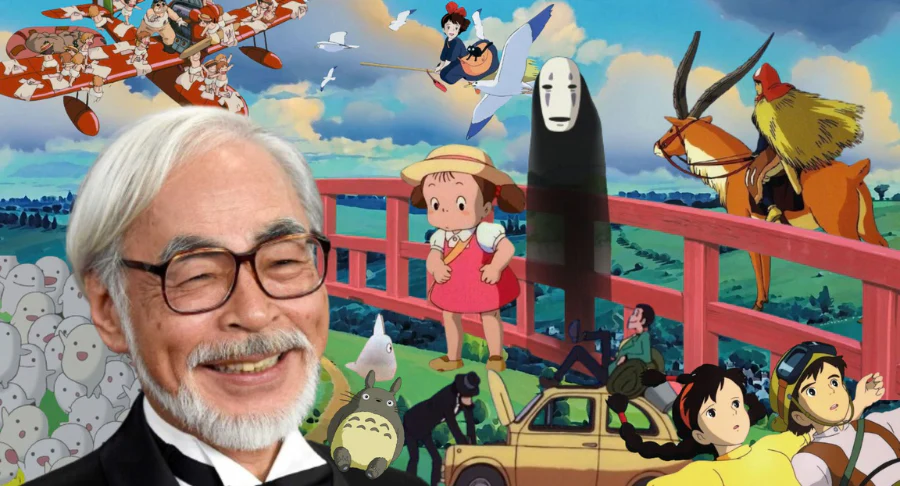
Although Miyazaki is mainly known for anime, manga has always been part of his creative identity. Before and during his film career, he drew manga, illustrated stories, sketches, and visual essays. These works often feel more personal and experimental than his movies.
Miyazaki’s manga is less widely known because his films reached a much larger global audience. Anime became the center of his public career, while manga was often something he created alongside film projects, for magazines, special publications, or personal exploration.
Nausicaä of the Valley of the Wind — His Most Famous Manga
Nausicaä of the Valley of the Wind is Miyazaki’s best-known manga work. It was serialized from 1982 to 1994 and later collected into seven volumes. The story follows Princess Nausicaä in a post-apocalyptic world filled with toxic forests, giant insects, political conflict, ecological collapse, and war.
The 1984 animated film adapted only part of the manga. Because the manga continued for years after the film, the printed version is much longer, darker, and more complex. It expands the world, deepens the political conflicts, and gives Nausicaä a more layered emotional and philosophical journey.
The manga version of Nausicaä is often considered one of Miyazaki’s masterpieces because it gives him space to explore ideas that a two-hour film could not fully contain. Themes such as environmental destruction, pacifism, human cruelty, survival, and the relationship between nature and civilization are developed in great detail.
For readers who only know the movie, the manga can feel like a completely different experience. It is broader, heavier, and more ambitious, showing Miyazaki as both a filmmaker and a serious manga storyteller.
Other Manga Works by Miyazaki
Although Nausicaä is his most famous manga, Miyazaki created several other illustrated and manga-related works. Some are traditional manga, while others are closer to picture books, graphic novels, illustrated essays, or short visual stories.

The Journey of Shuna
The Journey of Shuna, also known as Shuna no Tabi, was published in 1983. It is often described as a picture book, graphic novel, or manga hybrid because it combines watercolor illustrations with sequential storytelling and short passages of text.
The story follows Prince Shuna, who leaves his poor kingdom in search of golden grain that may save his people from hunger. The work draws inspiration from folklore and has the atmosphere of an ancient legend. Its quiet tone, landscapes, mysterious creatures, and themes of survival make it feel very close to Miyazaki’s later fantasy films.
The Journey of Shuna is especially important because it foreshadows elements later seen in works such as Princess Mononoke and Nausicaä. It includes a young traveler, a harsh world, nature-centered imagery, and a sense of moral complexity.
The official English edition was released in 2022, which introduced the work to many readers who had only known Miyazaki through Studio Ghibli films.
Sabaku no Tami
Sabaku no Tami, often translated as People of the Desert or The Desert Tribe, is one of Miyazaki’s early manga works. It was serialized from 1969 to 1970 under the pseudonym Akitsu Saburō.
The story is set in a fictional desert region and follows conflict, survival, oppression, and rebellion. Even though it is an early work, readers can already see themes that would later become central to Miyazaki’s storytelling: war, human cruelty, political struggle, and the lives of ordinary people caught inside larger conflicts.
People of the Desert is not as widely available or as famous as Nausicaä, but it matters because it shows Miyazaki’s early development as a manga creator. It also feels like a precursor to some of his later fantasy and anti-war themes.
Daydream Data Notes
Hayao Miyazaki’s Daydream Data Notes, also translated as Random Thoughts Notebook, is a collection of illustrated essays and short manga-like works that Miyazaki contributed to Model Graphix magazine during the 1980s and early 1990s.
This work is very different from Nausicaä or The Journey of Shuna. Instead of focusing on a single fantasy narrative, it reflects Miyazaki’s fascination with aircraft, tanks, military history, engineering, and old machines. The pages often mix drawings, handwritten notes, imagined scenarios, and commentary.
For fans who want to understand Miyazaki’s visual imagination, Daydream Data Notes is valuable because it shows how deeply he thinks about machines. His aircraft and mechanical designs in films such as Porco Rosso, Castle in the Sky, and The Wind Rises become easier to understand when viewed alongside these sketches and illustrated essays.
Model Graphix Sketches & Short Manga
Miyazaki also created sketches, short manga pieces, and illustrated works connected to Model Graphix and other publications. Many of these pieces focus on airplanes, armored vehicles, historical machinery, or imagined military situations.
These works are not always conventional manga in the way readers might expect. Some feel like visual essays, some feel like technical daydreams, and some feel like short fictional fragments. However, they are still important because they reveal Miyazaki’s personal interests beyond mainstream storytelling.
His love for flight, mechanical detail, and hand-built worlds appears again and again in these works. Even when the subject is a machine, Miyazaki often gives it personality, history, and emotional weight.
Other Early Manga and Adaptation Works
Miyazaki also worked on earlier manga-related projects, including manga adaptations connected to animated films such as Puss in Boots and Animal Treasure Island. These are not usually discussed as his major original manga works, but they are part of his broader history as an illustrator and manga creator.
When people ask whether Miyazaki made manga beyond Nausicaä, the answer depends on how strictly they define manga. If the focus is only on long original manga series, Nausicaä is clearly the major work. If illustrated stories, short manga, adaptations, and manga essays are included, Miyazaki’s manga-related output is much wider.
How Does Miyazaki’s Manga Style Differ From His Films?
Miyazaki’s manga gives him a different kind of freedom from film. Animation requires teams, production schedules, budgets, voice acting, music, and many technical decisions. Manga allows him to work more directly with image, text, pacing, and worldbuilding.
In manga, Miyazaki can slow down and explore ideas in greater detail. Nausicaä is the clearest example. The manga version builds a much larger world than the film, with deeper political conflict, more complex moral questions, and a heavier philosophical tone.
His drawing style also feels different on the page. Miyazaki’s manga often emphasizes landscapes, creatures, clothing, aircraft, weapons, ruins, and natural environments. His pages can feel dense, textured, and handmade, with a strong sense of movement even when the image is still.
The themes remain familiar to fans of his films. Environmentalism, pacifism, survival, human greed, strong female characters, and the mystery of nature appear throughout his manga. These ideas are not separate from his film work; they are part of the same creative worldview.
Miyazaki’s manga often features complex, independent female protagonists — a trait shared with what is josei manga, which often centers mature, realistic portrayals of women, emotion, and personal choice.
Why Miyazaki Rarely Made Manga
Miyazaki rarely made long manga because animation became the center of his professional life. Once Studio Ghibli became established, film production took enormous amounts of time and energy. Directing, storyboarding, supervising animation, developing characters, and shaping entire worlds left little room for regular manga serialization.
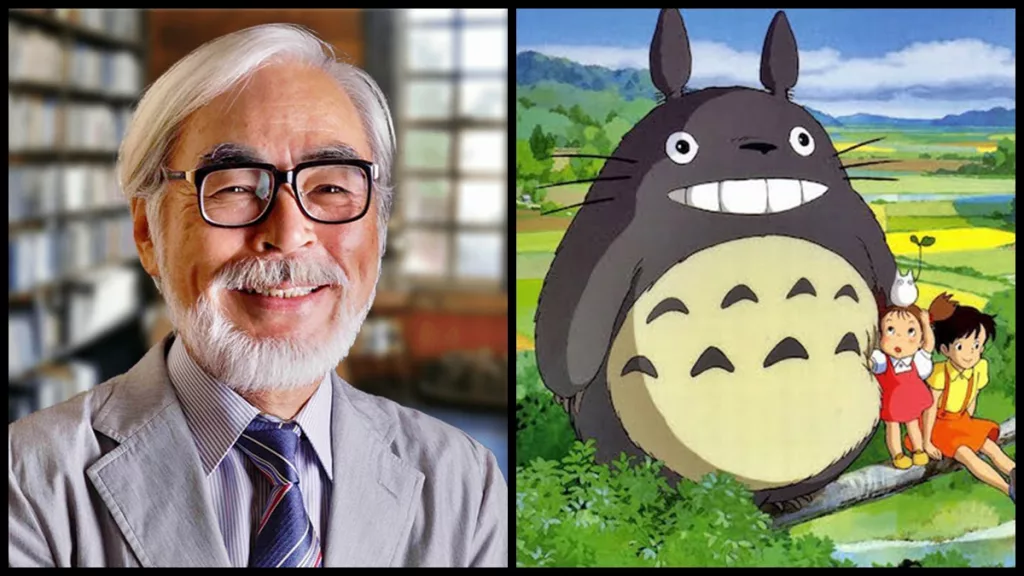
Manga also seems to have functioned differently for Miyazaki. It was not simply a commercial path. In many cases, it was a personal medium where he could explore ideas, sketch worlds, develop concepts, or express interests that did not always fit neatly into film production.
This is why his manga output feels selective rather than large. He did not produce dozens of long-running manga series, but the works he did create are highly revealing. They show the roots of his imagination and help explain why his films feel so carefully built.
Interestingly, Miyazaki’s fantasy worlds share some DNA with modern what is isekai manga. Both often place characters inside richly built alternate worlds shaped by wonder, danger, survival, and discovery. However, Miyazaki’s stories usually avoid simple power fantasy and focus more on moral tension, nature, and human responsibility.
FAQs
Did Miyazaki write any manga besides Nausicaä?
Yes. Miyazaki created several manga and manga-related works besides Nausicaä of the Valley of the Wind. These include The Journey of Shuna, People of the Desert, Daydream Data Notes, short illustrated works, sketches, and early adaptation manga.
Is The Journey of Shuna a manga?
The Journey of Shuna is often described as a graphic novel, picture book, or manga hybrid. It is not a standard serialized manga like Nausicaä, but it uses sequential storytelling and illustrated narrative in a way that makes it important to Miyazaki’s manga-related work.
Is Nausicaä manga better than the movie?
That depends on what the reader wants. The movie is more accessible and visually iconic, while the manga is longer, deeper, darker, and more complex. Many fans consider the manga the fuller version of Miyazaki’s vision because it develops the world and themes in much greater detail.
How many manga has Miyazaki made?
If counting only major original manga-style works, Miyazaki’s main titles include Nausicaä of the Valley of the Wind, The Journey of Shuna, People of the Desert, and Daydream Data Notes. If adaptations, sketches, short manga, and illustrated essays are included, his manga-related body of work becomes broader.
Where can I read Miyazaki’s manga in English?
Nausicaä of the Valley of the Wind is available in official English editions, and The Journey of Shuna also has an official English release. Other works, such as People of the Desert and many of the Model Graphix pieces, may be harder to find in English through standard retail channels.
Conclusion
So, has Miyazaki done any manga other than Nausicaa? Yes. Although Nausicaä of the Valley of the Wind is his most famous and complete manga masterpiece, it is not his only manga-related work. Miyazaki also created The Journey of Shuna, People of the Desert, Daydream Data Notes, short manga, sketches, and illustrated essays.
These works show another side of Miyazaki’s creativity. They reveal his love of nature, machines, flight, folklore, survival stories, and morally complex worlds. They also help explain why his films feel so rich and carefully imagined.
For readers who want to go beyond Studio Ghibli films, Miyazaki’s manga works are worth exploring. You can also visit KunManga to discover more manga titles and classic-inspired stories shaped by the same sense of wonder, emotion, and adventure.

Techna Taylor is a content contributor at KunManga, focusing on manga, manhwa, and webtoon-related guides, recommendations, and reader-friendly explainers. With a strong interest in digital comics and online reading trends, Techna helps create clear, accessible content for fans who want to discover new series, understand popular titles, and follow updates across different manga genres.