
Many new anime fans assume that every anime begins as a manga. It is an easy assumption to make because so many famous anime series, from Naruto to One Piece and Attack on Titan, were adapted from manga. However, the truth is more complex.
So, are all animes based on manga? No. Many anime are adapted from manga, but anime can also come from light novels, visual novels, video games, web novels, manhwa, manhua, or completely original ideas created directly for animation.
To explore the manga that inspired some of your favorite anime, KunManga is a great place to start. This guide explains where anime stories come from, why manga is such a common source, what original anime means, and how anime can sometimes differ from its source material.
What Is Anime, Exactly?
Anime is animation produced in Japan or strongly associated with Japanese animation style and industry traditions. It can appear as TV series, movies, original video animations, streaming shows, short specials, or theatrical releases.
Anime is often different from Western animation in its visual language, production culture, storytelling rhythm, character design, genre range, and relationship with manga, light novels, and games. While Western animation is often associated with children’s entertainment in casual conversation, anime covers every age group and nearly every genre, including action, romance, horror, fantasy, science fiction, comedy, sports, slice of life, and psychological drama.

The anime industry is large because it connects many entertainment sectors. A successful anime may promote manga sales, light novel sales, music, games, merchandise, streaming licenses, events, figures, and international distribution. This is why anime is not only an art form but also part of a larger media ecosystem.
The question “are all animes based on manga?” is common because manga-to-anime adaptations are highly visible. When fans see an anime become popular, they often discover that the manga version is ahead of the anime or contains extra story details.
How Much Anime Is Actually Based on Manga?
A useful rough estimate is that around 40% to 45% of anime may be based on manga, depending on the year, dataset, and how adaptations are counted. The exact percentage changes because every anime season has a different mix of manga adaptations, light novel adaptations, original anime, game adaptations, and other source types.
The important point is simple: manga is one of the most common sources for anime, but it is not the only one. A large part of the anime industry depends on adaptation, but the source material can come from many places.
Manga is popular as source material because it already has a fanbase. If a manga sells well or becomes widely discussed online, studios and production committees can see that there is existing demand. That makes an anime adaptation less risky than creating a completely new story from zero.
Manga also gives the anime team a tested story structure. The characters, setting, major plot points, emotional arcs, and visual designs already exist. This does not mean adaptation is easy, but it gives the production team a strong foundation.
Another reason manga adapts well into anime is that manga panels already suggest visual direction. Panel layout, character expressions, action flow, and dramatic framing can help animators and directors imagine how scenes might move on screen.
What Are Anime Based On? If Not Manga?
Anime can be based on many different types of source material. Some sources are traditional print media, while others come from games, digital fiction, or original studio concepts.
Manga
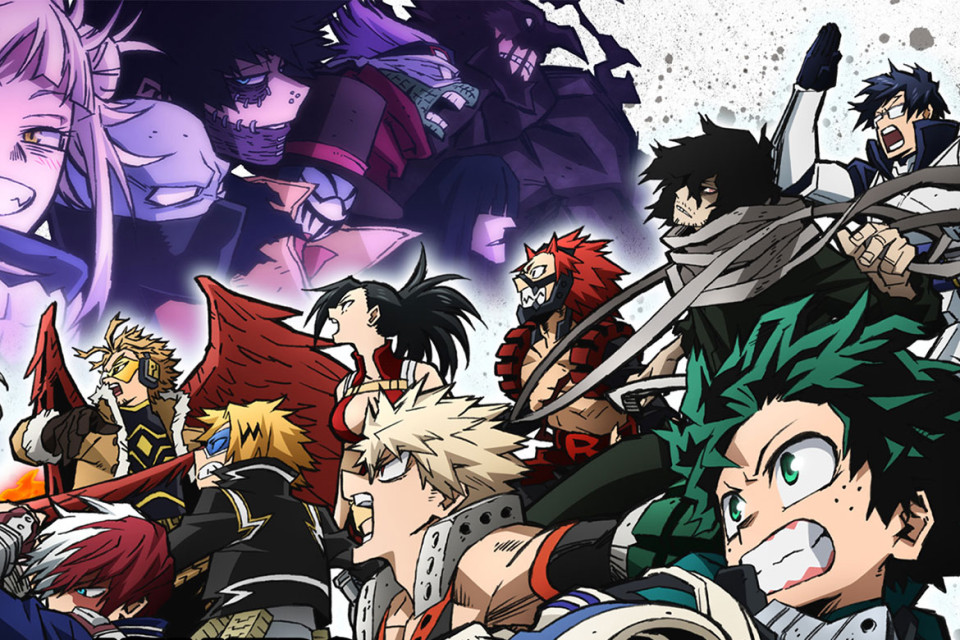
Manga is the most familiar source for many anime fans. These are Japanese comics or graphic novels that may be serialized in magazines, published digitally, or collected into volumes. Popular examples of manga-to-anime adaptations include Naruto, One Piece, Attack on Titan, Demon Slayer, and Jujutsu Kaisen.
Light Novels
Light novels are Japanese prose novels often aimed at young adult readers. They usually include illustrations and are commonly written in a fast, accessible style. Many modern fantasy, romance, school, and isekai anime come from light novels.
Examples include Sword Art Online, Re:Zero − Starting Life in Another World, Overlord, and That Time I Got Reincarnated as a Slime.
Visual Novels
Visual novels are interactive story games where players read text, make choices, and follow different narrative routes. Because they often focus on character drama, romance, mystery, and emotional storytelling, they can become strong anime adaptations.
Examples include Fate/stay night, Clannad, Steins;Gate, and Higurashi When They Cry.
Original Anime
Original anime is created directly for animation, without being based on a manga, novel, or game first. These projects may begin from a director’s concept, a studio pitch, a writer’s script, or a production committee plan.
Famous original anime include Cowboy Bebop, Neon Genesis Evangelion, Code Geass, Puella Magi Madoka Magica, and Kill la Kill.
Video Games
Some anime are adapted from video games. These adaptations may follow the main game story, expand the world, focus on specific characters, or create a new storyline using the same setting.
Examples include Pokémon, Persona 4: The Animation, Cyberpunk: Edgerunners, and several adaptations connected to game franchises.
Manhwa and Manhua
In recent years, what is manhwa has become an increasingly popular source for anime adaptations, with Korean webtoons gaining global recognition. Titles such as Tower of God, The God of High School, and Solo Leveling show how Korean digital comics can move into anime-style adaptations for global audiences.
Manhua, or Chinese comics, can also inspire animated adaptations, although Chinese animation is often called donghua rather than anime in a strict sense. Still, international fans often discuss these works alongside anime because of shared visual and fandom spaces.
Web Novels
Web novels are stories published online, often by independent writers before being picked up by publishers. Many modern light novel franchises began as web novels. After gaining popularity online, they may become light novels, manga adaptations, anime series, and merchandise franchises.
This path is especially common in fantasy and isekai stories, where long-form online serialization allows writers to develop huge worlds, leveling systems, character arcs, and adventure plots.
What Is an Original Anime?
An original anime is an anime that is not based on existing manga, light novels, visual novels, video games, or other source material. It is created directly as an animation project.
The biggest advantage of original anime is creative freedom. Since there is no existing manga or novel to follow, the creators can design the story specifically for animation. They can control the pacing, episode structure, ending, visual direction, and emotional reveals without worrying about catching up to a source.
Original anime can also deliver a complete ending more naturally. Since the story is planned for a specific number of episodes, it may avoid the problem of unfinished adaptations or sudden stops.
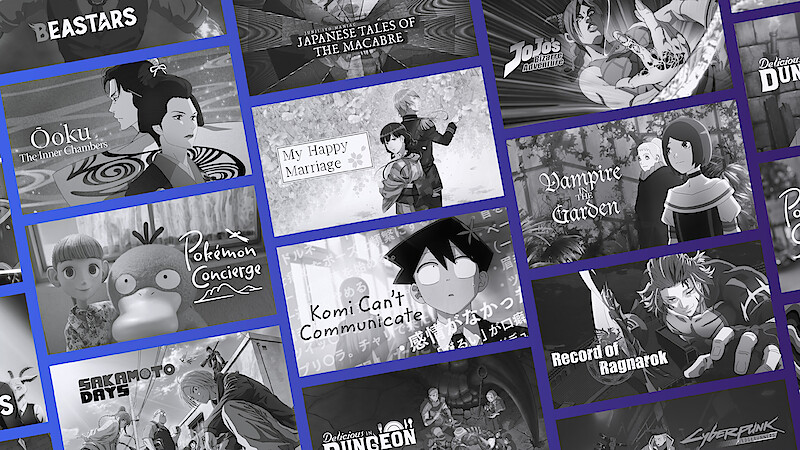
The downside is commercial risk. A manga adaptation already has readers, sales data, and fan interest. An original anime has to build its audience from the beginning. If the concept does not connect with viewers quickly, it may be harder to market.
Despite that risk, original anime has produced many classics. Cowboy Bebop is praised for its music, style, and episodic storytelling. Neon Genesis Evangelion became one of the most influential anime ever made. Code Geass built a powerful original story around politics, rebellion, and supernatural strategy. Puella Magi Madoka Magica became famous for transforming expectations around the magical girl genre.
When Anime Diverges From Its Manga Source
Even when anime is based on manga, it does not always follow the manga perfectly. Adaptations often change pacing, remove scenes, combine events, add original content, or create new endings.
One common reason is filler. Filler episodes are anime-original episodes added when the anime catches up too quickly to the manga. Instead of stopping production, the studio may create side stories that do not move the main plot forward.
Anime-original endings are another common situation. This can happen when the manga is still ongoing and the studio needs to finish the anime before the original story ends. The studio may write its own conclusion, which can be very different from the manga.
This creates the difference between canon and non-canon content. Canon usually refers to material that belongs to the official main story, while non-canon content may include filler, side stories, or scenes that do not exist in the original manga.
Fullmetal Alchemist is one of the most famous examples. The 2003 anime eventually moved away from the manga because the manga had not finished yet. Later, Fullmetal Alchemist: Brotherhood was created as a more faithful adaptation of the completed manga storyline.
Divergence from source material is also common in what is isekai anime, where studios often condense long manga or light novel plotlines to fit seasonal episode counts. Because isekai stories often involve world-building, leveling systems, side characters, and long arcs, adaptations may skip details to keep the anime moving.
Does Every Manga Get an Anime Adaptation?
No. Only a small portion of manga ever receive anime adaptations. Thousands of manga exist, but anime production is expensive, time-consuming, and risky. A series usually needs strong commercial potential before a studio or production committee considers adapting it.
Sales are one major factor. If a manga sells many volumes, gains a loyal fanbase, or trends strongly online, it becomes a better candidate for adaptation. Publishers and producers want evidence that people are already interested in the story.
Merchandise potential also matters. Some anime are created not only to tell a story but also to support figures, games, music, events, Blu-ray sales, streaming deals, and character goods. Series with visually memorable characters, clear genre appeal, and strong branding often have an advantage.
Some excellent manga never receive anime adaptations because they are too niche, too difficult to animate, too mature for mainstream broadcast, too expensive to produce, or not commercially attractive enough at the right time.
The industry is also changing. Manhwa, web novels, mobile games, and global streaming platforms are influencing what gets adapted. Anime is no longer limited to traditional manga sources, and international demand now plays a larger role in adaptation decisions.
FAQs
Are all animes based on manga?
No. Not all animes are based on manga. Many anime are adapted from manga, but others come from light novels, visual novels, video games, web novels, manhwa, manhua, or original concepts created directly for animation.
What percentage of anime is based on manga?
The percentage changes depending on the year and dataset, but a useful rough estimate is around 40% to 45%. Manga is one of the biggest sources for anime adaptations, but it is not the only source.
What was the first anime not based on manga?
There is no simple single answer because Japanese animation existed before the modern manga-to-anime adaptation system became common. Many early Japanese animated shorts and films were original works or based on folklore, theater, children’s stories, or other non-manga material.
Can anime have a different story from the manga?
Yes. Anime can change the manga story by adding filler, skipping scenes, changing pacing, combining arcs, or creating an anime-original ending. This often happens when the anime catches up to the manga or when the studio wants a different structure for television.
What is an anime original?
An anime original is an anime created directly for animation, without being based on existing manga, light novels, games, or other source material. Examples include Cowboy Bebop, Code Geass, and Puella Magi Madoka Magica.
Is it better to read the manga or watch the anime?
It depends on your preference. Manga usually gives you the original pacing and full source material, while anime adds voice acting, music, color, movement, and atmosphere. Many fans enjoy both because each format offers a different experience.
Conclusion
So, are all animes based on manga? No. Manga is one of the most common sources for anime, but anime can also come from light novels, visual novels, video games, web novels, manhwa, manhua, and original studio ideas.
Manga adaptations are popular because they already have stories, characters, artwork, and fanbases. However, original anime and non-manga adaptations have also produced some of the most influential works in anime history.
If you enjoy an anime and want to explore its source material, checking whether it began as a manga is a great first step. Visit KunManga to discover manga titles that inspired anime adaptations and explore more stories across action, fantasy, romance, comedy, drama, and adventure.

Techna Taylor is a content contributor at KunManga, focusing on manga, manhwa, and webtoon-related guides, recommendations, and reader-friendly explainers. With a strong interest in digital comics and online reading trends, Techna helps create clear, accessible content for fans who want to discover new series, understand popular titles, and follow updates across different manga genres.